BP Profits Surge Despite Middle East Conflict

Despite conflict in the Middle East, profits for BP have more than doubled following a surge in oil prices.
In its first results since the war began, the company reported profits of US$3.2bn between January and March after an “exceptional” performance in its oil trading business, according to BP’s Q1 2026 report.
The figure was larger than initially expected and considerably higher than Q1 2025’s results, which reached US$1.38bn.
Since the US-Israeli strikes on Iran and the closure of the Strait of Hormuz – which carries 20% of the global supplies of oil and natural gas – the price of Brent Crude oil has risen to nearly US$120 a barrel, up from US$73 prior to the conflict.
Despite the current closure, the price has fallen below US$100 amid talks of the Strait reopening and conflict ceasefires. The price of oil at the time of writing is around US$110 a barrel.

25 times last year’s profits
Profits in BP's customers and products division, which includes its oil trading unit, surged to US$2.5bn compared with just US$103m in 2025.
In a statement to the UK House of Commons on 21 April, UK Chancellor Rachel Reeves said profits from energy companies like BP’s are “exactly why we extended the Energy Profits Levy to make sure that windfall profits could be taxed appropriately”.
“BP and other oil and gas companies play a really important part in our energy mix,” she said, adding that it was important that windfall taxes are set “properly”.
Energy firms operating within the UK are subject to the Energy Profits Levy, a windfall tax introduced in 2022 following a surge in profits after the Russian invasion of Ukraine.
However, the levy only applies to profits made from extracting oil and gas in the UK, whereas the bulk of energy giants' profits are made overseas.
An environment of conflict and complexity
BP's share price rose 3% on 28 April and is up by about 20% since the Middle East conflict began.
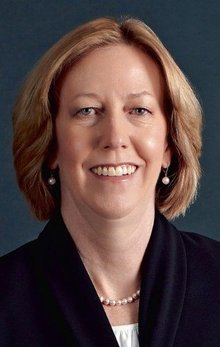
The results are the first under BP’s newest CEO Meg O’Neill, who officially started the position on April 1, succeeding previous CEO Murray Auchincloss.
Meg says in the Q1 2026 earnings report that she had joined “at a time when our industry is operating in an environment of conflict and complexity”.
She adds BP is “working with customers and governments” to ensure fuel is delivered and to help minimise further disruption.
Not immune to market challenges
Susannah Streeter, Chief Investment Strategist at Wealth Club, says BP's trading division has “clearly thrived in an environment of wild swings, leading to high velocity trading”, but that its production was “not immune to the damage and destruction wreaked on facilities across the Gulf”.
In contrast to BP’s view on its success, the company’s performance has drawn criticism, in particular from global environmental groups.
Mike Childs, Head of Science, Policy and Research at Friends of the Earth, says “Just as we saw in 2022 following Russia's invasion of Ukraine, fossil fuel giants are quids-in when global instability drastically inflates fuel prices.
“But again, it's ordinary people who pay the price when soaring energy prices threaten to plunge the UK into an even deeper cost of living crisis.”
Gas and electricity bills for most UK households are currently protected by the energy price cap. However, the jump in wholesale oil and gas prices since the Middle East conflict began means the cap is currently estimated to rise by approximately £200 (US$269) when it’s revised on 1 July this year.
Company portals
Executives
Meg O'Neill
CEO
Susannah Streeter
Chief Investment Strategist