How are Energy CEOs Leading Through Conflict and Scarcity?

Four weeks into the Middle East conflict, Brent crude sits above US$100 and gas prices in Europe and Asia are rising fast. On stage and in interviews at CERAWeek in Houston, three of the world’s most influential leaders set out the risks and the actions they are taking to shield economies, customers and portfolios.

Two possible market paths
In an interview with the BBC, Larry Fink, CEO of BlackRock, outlined two possible paths for markets if the war persists. If it does not, he warned of "years of above US$100, closer to US$150 oil, which has profound implications in the economy". That scenario, Larry said, could lead to a “stark and steep recession”.
He also underlined the social impact of sustained high prices, describing them as "a very regressive tax" that "affects the poor more than the wealthy". The message aligns with themes from his annual letter on wealth concentration and the links between energy insecurity and inequality.
A focus on European supply
Wael Sawan, CEO of Shell, warned that shortages could hit Europe as soon as next month. "South Asia was first to get that brunt," he said. "That's moved to Southeast Asia, Northeast Asia and then more so into Europe as we get into April."
Jet fuel is already tight, with diesel expected to follow, then petrol and gasoline. Wael has stressed that energy security and national security must be treated together, and Shell is working with governments on storage and purchasing options to manage a volatile spring.
Managing an unprecedented product squeeze
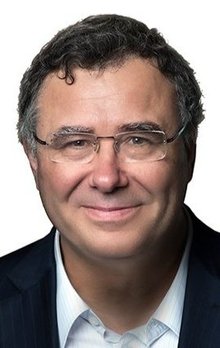
Patrick Pouyanné, Chairman and CEO of TotalEnergies, said the near term pressure point is refined products rather than crude. "The Brent market is okay, but the products market, which is the one which impacts customers […] is much higher than Brent," he said. Patrick added that the world has "never experienced" refining margins at current levels.
He noted that roughly 15% of TotalEnergies’ production is offline due to the conflict, though higher prices have offset lost barrels. On gas, European prices were around US$18 per MMBtu on Tuesday, and Patrick cautioned they could reach US$40 over the summer if disruptions persist. The damage to QatarEnergy’s Ras Laffan LNG hub has already tightened supply, and while TotalEnergies can meet orders through a diversified portfolio, the firm is operating with heightened vigilance.
Across finance, operations and supply chains, these leaders are communicating hard trade offs, coordinating closely with governments and using portfolio flexibility to protect customers. The immediate focus is clear: stabilise products markets, secure European supply into April and May and navigate a tighter global gas balance as summer approaches.
Company portals



Executives
Larry Fink
Chairman and Chief Executive Officer
Patrick Pouyanné
Chairman and CEO
Wael Sawan
Chief Executive Officer