How Elon Musk Hires Without Looking at CVs
Elon Musk has said that he will not accept cover letters or resumes as he recruits for his Dojo 3 supercomputer project. The Tesla CEO shared in an X post that he wants applicants to send in "three bullet points on the toughest technical problem" they've solved.
The hiring move comes as Tesla restarts work on Dojo 3, which aims to deploy supercomputing infrastructure in space to advance autonomous driving capabilities. Tesla previously halted work on Dojo 3 as the company focused its resources on developing its A15 processor.
Elon has previously said he distrusts resumes as an effective way to hire, sharing on the Dwarkesh podcast that he likes to take personality into account.
He says: "Generally, what I tell people – I tell myself, I guess, aspirationally – is, don't look at the resume. Just believe your interaction. The resume may seem very impressive, and it's like, 'Wow, the resume looks good.' But if the conversation after 20 minutes is not wow, you should believe the conversation, not the paper".
In its wider hiring strategy, Tesla tends to prioritise skills over credentials, with interview candidates often being asked to complete technical tasks and display the ability to solve real-world problems within the interview process.
Sometimes lasting up to give rounds, this process assesses candidates on their behavioural and practical skills.

Prioritising talent and character
Hiring for skills is also playing an more important role as AI continues to develop. Companies are now adding AI assessments to their hiring process, including McKinsey, which is asking talent to work with Lilli, its AI tool in interviews, says CaseBasix.
Using Lilli lets the company assess if candidates have the critical thinking skills necessary to create high quality work alongside AI, with many companies looking for more than technical skills when hiring for an AI-enabled workplace.
Elon says: "I think it's a good idea to hire for talent and drive and trustworthiness, and I think goodness of heart is important. I underweighted that at one point. So, are they a good person? Trustworthy? Smart and talented and hard working? If so, you can add domain knowledge."
Assessing candidates for their skills and personality is becoming more important, with research from Hiscox finding that 53% of prospective candidates are using AI-powered tools to help them write their resumes.
The rise of soft skills
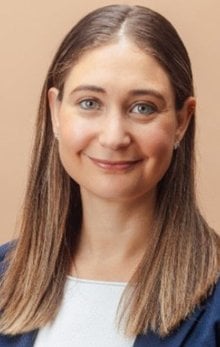
Daniela Amodei, co-founder of Anthropic, says in an interview with ABC News that she believes soft skills will play a more significant role as businesses change the way they operate: "I actually think studying the humanities is going to be more important than ever. A lot of these models are actually very good at STEM.
"But I think this idea that there are things that make us uniquely human – understanding ourselves, understanding history, understanding what makes us tick – I think that will always be really, really important. And I think the ability to have critical thinking skills and learn how to interact with other people will be more important in the future, rather than less."
The shift away from traditional credentials towards demonstrated problem-solving abilities and interpersonal skills could signal a fundamental change in how organisations identify and develop leadership talent."

Executives
Daniela Amodei
President and co-founder
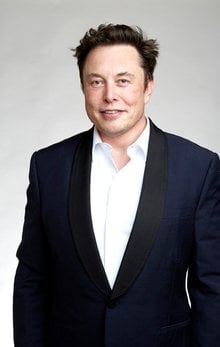
Elon Musk
Tesla CEO