Is the Pope Right on Elon Musk? Do Executives Earn too Much?
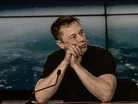
Executive pay is a contentious issue. A fact that the world was reminded of last week when Tesla set an unprecedented US1$tn pay package for CEO Elon Musk – a figure close to the company’s market valuation.
Much like Musk himself, the offer split opinion.
Critics say it accentuates income inequality while supporters point to the high risk and high expectations involved in the ambitious targets Tesla presented to Musk.
These included boosting the company’s valuation nearly eightfold, pioneering humanoid robots and more, all packaged under its Master Plan IV strategy.
Ever-increasing executive pay packages like the one Tesla has dropped on the table for Musk have even caught the attention of Pope Leo, who has criticised the growing pay gap between corporate bosses and working people.
In his first interview since becoming pope in May 2025, published on Catholic news website Crux, Leo cited rising economic inequality as a catalyst for increasing global polarisation.
The CEO pay gap
The pope singled out Musk, citing him as an example of the kind of wealth that is undermining “the value of human life”.
“Yesterday, there was the news that Elon Musk is going to be the first trillionaire in the world,” he said. “What does that mean and what’s that about? If that is the only thing that has value anymore, then we’re in big trouble.”
Looking beyond Musk to the c-suite more broadly, the pope discussed “the continuously wider gap between the income levels of the working class and the money that the wealthiest receive.”
He added: “CEOs that 60 years ago might have been making four to six times what the workers are receiving, the last figure I saw, it’s 600 times more than the average workers are receiving.”

What’s on the table for Musk?
Tesla’s US$1tn compensation package will, if approved, be the largest corporate pay award in history.
Musk must deliver on key targets and strategic ambitions bundled under the company’s long-term vision for creating a ‘Sustainable Abundance’ for all – the plan positions Tesla as a pioneer in areas like sustainable energy, future mobility and using robotics to reimagine how we work.
Under the plan, he will receive no salary or cash bonuses, instead being awarded compensation as shares in 12 tranches linked to 12 key market milestones.
The first is to reach a market capitalisation of US$2tn, followed by nine targets of an additional US$500bn in market capitalisation. The final two tranches ask for an additional US$1tn to be added.
Elsewhere, Musk must oversee an increase in car sales, as well as targets around robotaxis and AI development.
He will receive no reward if he fails to double Tesla’s valuation over the 10-year period.
Tesla outlined the pay package in a US Securities and Exchange Commission filings in early September.
“Growth that may seem impossible today can be unlocked with new ideas, better technology and greater innovation,” said company board members Robyn Denholm and Kathleen Wilson-Thompson.
They noted: “We believe that Elon’s singular vision is vital to navigating this critical infection point. We also recognise the formidable nature of this undertaking and as a result, the importance of having a leader who is not only willing and capable but eager to meet this challenge.
“Simply put, retaining and incentivising Elon is fundamental to Tesla achieving these goals and becoming the most valuable company in history.”
Investment analyst at London-based stockbroker AJ Bell, Dan Coatsworth, said the pay package “beggars belief”, questioning, “is one person worth that much?”
He said: “One minute Tesla’s board is wondering if Elon Musk is a liability to the company given his outspoken views and political distractions, the next they’re effectively saying ‘pick a number, any number', to lock him in for as long as possible.”
A question of motivation?
Tesla shareholders will vote on the proposed compensation package for Musk in November.
In a recent interview with the New York Times, Robyn defended the pan, saying Musk can deliver when faced with seemingly impossible goals.
“Putting together any compensation plan, you need to look at what motivates the individual you’re trying to motivate,” she said. “And for Elon, it’s doing things that no one else has done before.”