Can D&I Deliver a Competitive Edge for Global Leaders?

Diversity and inclusion are core strategic pillars for organisations seeking to build more representative and supportive environments for both employees and clients.
The implementation of D&I frameworks ensures that individuals from historically underrepresented groups are integrated at all business levels.
Done properly, it's a process that can unlock previously hidden value that emerges from new and diverse perspectives.
According to McKinsey’s ‘Diversity Matters Even More’ report, companies with a high proportion of women in leadership roles are 39% more likely to outperform those with a lower proportion.

The diversity aspect of these strategies relates to the wide spectrum of differences within a group, including race, gender, age and disability.
Inclusion involves fostering an environment where every individual feels respected and valued.
Together, these elements help ensure diverse voices are heard and that people feel a sense of belonging within their teams, creating fairer workplaces where everyone can thrive.
The strategic value of an inclusive workforce
Diversity and inclusion values are embedded in everyday business practices.
The 2024/25 ‘Inclusive Top 50 UK Employers’ report finds that 87% of larger organisations offer mandatory D&I training. On top of that, many organisations actively recruit diverse candidates and set specific targets for hiring from a range of different backgrounds.
Workplaces should also offer training to address unconscious biases, which helps both employees and leaders to recognise and confront hidden prejudices.
These actions extend beyond procedural or HR checkboxes by being designed as strategic tools that help cultivate an environment that fosters innovation and better decision-making. Critical to that is ensuing that companies incorporate a wider range of viewpoints and experiences from the top down.
Microsoft’s allyship and employee support strategy
Microsoft provides comprehensive D&I programmes, gender transition support and various employee resource groups.
The tech firm supports its 228,000 employees with 24/7 access to Care Advocates who provide assistance through different life stages.
A core concept Microsoft has introduced is allyship, which aims to promote understanding and inclusion among its workforce.
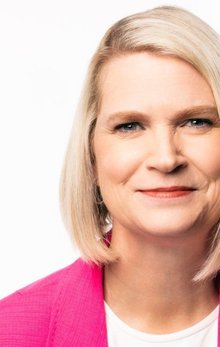
Lindsay-Rae McIntyre, Chief Diversity Officer at Microsoft, says: “For us, allyship is a verb. It is how we stay supportive of one another - a set of practices and behaviours that, along with our values, serve us in polarising times.”
Lindsay-Rae explains that this approach is fundamental to Microsoft's workplace culture, adding: "It’s how we create a work environment where we can embrace and respect uniqueness across differences."
Vodafone’s leadership targets and industry initiatives
Vodafone is also championing D&I through measurable global targets, including a goal for 40% of its senior leadership roles to be held by women by 2030.
It has reached 35.5% in the UK by 2024 and employs more than 36,500 women globally.
Vodafone is also committed to supporting the LGBTQ+ community, which it demonstrates through its Pride events and webinars.
This commitment is reflected in its sixth-place ranking out of 246 companies in the Stonewall Workplace Equality Ranking for 2024.
Andrea Dona, Chief Network Officer at Vodafone UK, adds: “I’ve always been incredibly proud of our commitment to equality and the strong progress that I’ve witnessed.”
Andrea is confident in Vodafone's direction.
“Thanks to the experience and expertise that exists throughout Vodafone and our LGBT+ network, I’m confident that - together - we can ensure freedom and equality remain universal for everyone,” he says.
In 2020, Vodafone also launched the #ChangeTheFace initiative to increase diversity and equality across the technology sector.
This later grew into the #ChangeTheFace Alliance, which unites more than 12 global technology companies.
On the launch of the Alliance, Founding Chairperson Serpil Timuray says: “This is a one-of-a-kind commitment to do something together and explore opportunities to collectively accelerate change.”
Serpil also outlines the Alliance's collaborative vision, explaining: “This is underpinned by our guiding principles - what we plan to achieve going forward and likely areas for collaboration in the future,” she explains.
By recognising human differences and ensuring all individuals are included, companies like Microsoft and Vodafone are not only making their workplaces more dynamic but are also setting a clear example for others to follow, helping them better connect with customers and communities worldwide.


Executives
Andrea Donà
Chief Network Officer & Network Director
Lindsay-Rae McIntyre
Chief Diversity Officer and Corporate Vice President of Talent and Learning