
Savills: Where do the World’s Wealthiest Now Live and Work?

As high-net-worth individuals (HNWIs) navigate a rapidly changing global landscape, their choices of where to live, work and invest are evolving.
The latest Savills Spotlight on Wealth Trends report offers valuable insights into these shifting preferences and the forces shaping modern wealth mobility.
According to Victoria Garrett, Head of Global Residential at Savills, the report examines “the enduring appeal of traditional wealth hubs, while also mapping the rise of new lifestyle-driven destinations”.
She added: “Our clients aren’t selling: they’re growing - adding new homes, new markets and new lifestyles to their portfolios.”
Released on 10 November, the report shows that legacy hubs like New York, London and Monaco continue to attract the world’s affluent, but new destinations are rising fast.
Driven by tax incentives, business opportunities and lifestyle appeal, these emerging hotspots are capturing the attention of global investors and families alike.
New wealth hotspots
For decades, cities such as New York, London and Hong Kong have been the go-to wealth destinations for business opportunities, luxury living and global connectivity.
However, Savills notes a shift in where the wealthy are choosing to settle. While traditional hubs remain important, new locations are emerging as influential centres of prosperity.
Cities including Dubai, Miami, Lisbon and Rome are gaining traction thanks to favourable tax regimes, strong international links and exceptionally high living standards.
Dubai’s zero income tax policy has been particularly successful in attracting wealthy individuals, according to the report, while Italy’s flat tax on global earnings has boosted the appeal of Milan and Rome for those seeking fiscal advantages and a more relaxed lifestyle.
Portugal’s reliable infrastructure, strong connectivity and exceptional quality of life continue to draw buyers, particularly from Brazil and other international markets.
The report also highlights the Asia-Pacific region’s growing prominence in global wealth migration.
Cities such as Singapore, Hong Kong and Tokyo are seeing robust growth in both luxury real estate and high-net-worth populations.
As regional prosperity expands, these cities are solidifying their reputation as thriving, well-connected global wealth centres.

Real estate as a cornerstone
Across these shifting landscapes, real estate remains a cornerstone of HNWI portfolios.
However, rising property taxes, inflation and the increasing cost of managing multiple homes have prompted many to refine their holdings and focus on fewer, higher-quality assets.
Where once HNWIs owned numerous homes around the world, many now prefer to simplify.
Cities such as Miami and Dubai are benefiting from this consolidation trend, offering tax advantages alongside lifestyles that blend business opportunity with leisure.
The report shows that demand for high-end real estate in these locations is substantial, with growing interest across the Middle East and Asia-Pacific from wealthy individuals seeking permanent or semi-permanent bases.
A changing concept of second homes
A key trend in the Savills report is the changing concept of second homes. Traditionally associated with vacations, second homes now reflect the rise of more nomadic and flexible lifestyles.
Remote work and global connectivity mean HNWIs can live and work in multiple locations throughout the year.
This lifestyle shift has made the idea of a second home far more fluid. Wealthy individuals now divide their time among cities, resorts, and coastal regions according to the season and their personal or professional needs.
Locations such as Aspen, Monaco and Dubai are increasingly popular among those looking to balance work, leisure and quality of life in different global settings.
What makes a destination attractive
The report highlights several factors shaping where wealthy individuals choose to live. While tax benefits remain a central consideration, lifestyle, security, family environment and access to business opportunities carry equal weight.
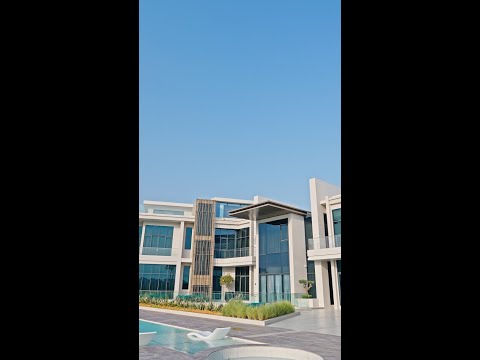
According to Savills, New York and Dubai stand out for their robust business ecosystems, connectivity and privacy, offering world-class family amenities.
The report also notes that family environments are increasingly important for HNWIs, with cities such as Geneva and Zurich remaining attractive for their exceptional education systems, healthcare and overall quality of life.
Together, these factors drive rising demand for destinations that combine opportunity, stability, and superior living conditions.
Company portals

Executives
Victoria Garrett
Head of Global Residential