
Starbucks Korea CEO Dismissed over Offensive Promotion
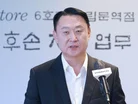
Starbucks’s Korea's CEO has been dismissed after public backlash to the company’s ‘Tank Day’ marketing campaign on the anniversary of the Gwangju Uprising crackdown.
The promotion sparked outcry from customers and several Korean politicians, including President Lee Jae Myung, who criticised the campaign publicly on X, saying: “Out of what twisted resentment did they commit such an act?
“I am outraged by this inhumane, bottom-feeding behaviour from these low-class peddlers who deny the Republic of Korea's community, basic human rights, and democratic values.”
Many consumers felt the use of “tank” in the campaign referred to vehicles deployed by the military government in May 1980 to intimidate and stop pro-democracy protesters.
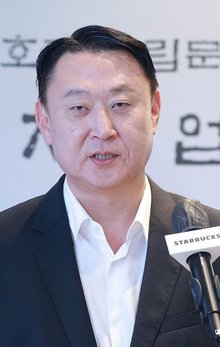
The promotion was rolled back hours after its launch and saw Shinsegae, the conglomerate that owns a majority stake in the brand, apologised for "inappropriate marketing" and fired Starbucks Korea’s CEO Sohn Jeong-hyun.

Reviewing the marketing approval process
The “Tank Day” campaign was designed to advertise the company’s Tank Series drink tumblers that offered consumers “spacious volume” when drinking coffee on the go.
According to local reports, Starbucks Korea initially clarified that the “Tank Day” tumbler was part of a series it planned to roll out in a campaign running from 15 to 26 May.
In a company statement, Starbucks responded to the backlash, saying: “We sincerely apologise for causing inconvenience and concern to our customers due to this.
“We have immediately suspended the event and will review and improve our internal processes to prevent similar incidents from recurring in the future.”
The company also acknowledged the Gwangju Uprising directly, saying: “We have recognised that the wording used in our online tumbler sales event contained highly inappropriate references to the May 18 Gwangju Democratisation Movement.”
It added that “the content in question was not thoroughly reviewed internally prior to the event’s launch”.
Starbucks' US headquarters also issued a statement, acknowledging that “while unintentional, [the incident] should never have happened”.
“We recognise the deep pain and offense this has caused, particularly to those who honour the victims, their families, and all who contributed to Korea's democratisation,” it added.
Trivialising a symbol of democracy
The 18 May Gwangju Uprising is considered as a traumatic memory in Korea’s history and to this day is commemorated annually as a day of remembrance for those who died fighting for the country’s democratisation movement.
The movement grew over 1980 to 1987 into a nation-wide uprising, which in June 1987 toppled President Chun Doo-hwan’s regime.
Many consumers and public figures in Korea felt the Starbucks campaign was in direct reference to the struggles related to the uprising.
The campaign also included promotional material featuring the phrase “tak on the table!” in Korean, using an onomatopoeia that sounds like an object being hit on a table.
"Tak" was also the word used in a controversial statement given by Korean police in 1987 following the death of student activist Park Jong-chul.
Police claimed Park collapsed and died after an interrogator slapped the table forcefully, when in fact the activist died after he was tortured.
Chung Yong-jin, Shinsegae’s Group Chairman, called the Starbucks Campaign “an inexcusable mistake that trivialised the suffering and sacrifices of all those who have dedicated themselves to the democracy of this country”.
In a statement published on 19 May, Chung pledged to “thoroughly investigate” the approval procedures behind the event and “re-examine the review process” for marketing content across all its affiliates.
Company portals
Executives
Sohn Jeong-hyun
Korea CEO