
Trump's H-1B Visa Hike: Can US Leaders Access Global Talent?
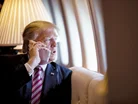
Late on 19 September, US President Donald Trump signed a proclamation introducing a US$100,000 application fee for the H-1B foreign worker visa, a7 classification that enables US employers to temporarily hire skilled foreign workers.
Following chaos at airports over the weekend, as workers hurried to return to the US, the White House clarified that the change would apply only to new applicants starting from the next visa lottery in February onwards, not current H-1B holders.
Jack Chen, Associate General Counsel for US immigration at Microsoft, reportedly emailed workers late on 19 September , urging travelling H-1B employees to return to the states by Saturday and avoid future travel abroad to prevent re-entry issues.
He wrote in an email obtained by The Seattle Times: “We strongly recommend you do what you can to return to the US before the deadline.
“(We recognise) that there isn’t much time to make sudden travel arrangements. But again, we strongly encourage you to do your best to return.”
But with Trump introducing an increase in cost of around 50 times, how will this affect the workforce of major US companies?
Gil Guerra, an Immigration Policy Analyst at the Niskanen Centre, told the BBC: “Since the latest White House directive indicates that the fee would only apply to new H-1B recipients, this is more likely to cause medium and long-term labour shortages instead of immediate disruption.”
David Bier, Director of Immigration Studies at the Cato Institute, also told the BBC that visa hikes “will force US companies to radically change their hiring policies and offshore a significant amount of their work. It will also ban founders and CEOs coming to manage US-based businesses.”
“It will deal a devastating blow to US innovation and competitiveness.”
US impact
The H-1B visa allows businesses to hire foreign skilled workers for jobs that require specialised knowledge and a bachelor’s degree or higher.
It enables US firms to bring in global talent, especially in tech, engineering and healthcare, to fill talent shortages.
The temporary visa is valid for up to three years, with the possibility of a further three year extension, but the employer can sponsor H-1B holders for a permanent residency if they wish to extend their employment.
The White House has said that the increase was designed to encourage companies to hire American workers, but industry insiders warn the hike will have a greater impact on the US.
H-1B workers contribute more than US$21.7bn per year towards Social Security and Medicare benefits and invest more than $12bn into US businesses annually, according to a report by Stilt.
“The demand for new workers in fields like tech and medicine is projected to increase, and given how specialised and critical these fields are, a shortage that lasts even a few years could have a serious impact on the US economy and national well-being,” Gil added.
“It will likely also incentivise more skilled Indian workers to look at other countries for international study and have a cascading effect on the American university system as well.”
A report by US Citizenship and Immigration Services’ named ‘H-1B Characteristics Congressional’ from March 2023, reveals that India receives the most H-1B approvals at 72.6%. The country is where tech executives including Google CEO Sundar Pichai, Microsoft leader Satya Nadella and IBM’s Arvind Krishna originate.
The experience of a tech CEO
Jayshree Ullal, CEO of the cloud networking company Arista Networks, said in an interview in 2023 with The Times of India: “The time taken for approval of the permanent residence visas has gone up to 5, 10 and 15 years, which is a large chunk of a professional person’s work life. I got mine approved in one year.”
She added: In the interview two years ago, she said then: “The immigration process is challenging and needs to change.”
Jayshree, who was born in London and raised in New Delhi, received an H-1B in her earlier career according to Forbes and, in August, her net worth was estimated at US$6.4 billion by Bloomberg.

Trump and the H-1B
Trump’s focus on changes to the visa is not a new theme. During his first term, in April 2017, Trump issued the ‘Buy American, Hire American’ executive order, announcing a sweeping shift in US immigration policy.
The President said in a statement in the White House archives: “H-1B visas are awarded in a totally random lottery - and that’s wrong. Instead, they should be given to the most-skilled and highest-paid applicants, and they should never, ever be used to replace Americans.”
Trump’s exec order was intended to prioritise American workers and reform how H‑1B visas were allocated.
Fast forward to September 2025 in his second term as US President, and Trump has signed off the US$100,000 application fee for the visa.
In response to the announcement, The Washington Post reported that Howard Lutnick, US Commerce Secretary, said that US companies need to decide “is the person valuable enough to have a $100,000‑a‑year payment to the government” or “should they hire an American.”
However, Gil told the BBC that the fallout could be uneven and said: “I expect the new H-1B policy will bring a number of negative consequences for the US, though it will take some time to see what those may be.”