What Can Leaders Expect From the WEF's Davos 2026 Meeting?
Since its establishment in 1971, the World Economic Forum (WEF) has convened an annual meeting in Davos, Switzerland, bringing together heads of state, business leaders and other influential figures to discuss global issues.
The 56th meeting is scheduled for the week of 19 January 2026, where more than 2,000 participants are expected to gather.
With sustainability a persistent feature of the global conversation, it is anticipated to be a key topic of discussion.
The 2025 meeting, themed “Collaboration for the Intelligent Age”, prompted conversations on AI, digitalisation and the energy transition.
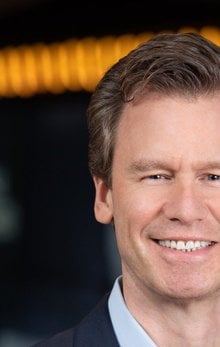
Reflecting on the event, Angela Hultberg, Global Sustainability Director at Kearney, said: “I am more positive now than I was a week ago. I fully expected sustainability topics to be set aside, but this was not the case.”
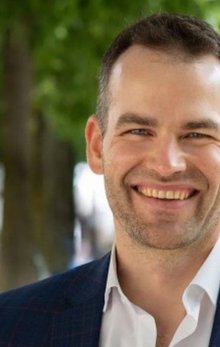
Jim Andrew, Chief Sustainability Officer at PepsiCo, said: “The themes of the week have been action and collaboration – how do we move faster and move together to foster progress. I’m optimistic and excited for what’s ahead.”
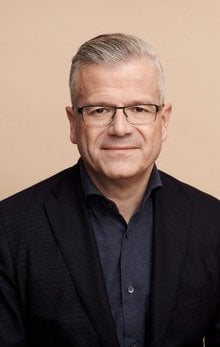
The event also highlighted the importance of resilient global supply chains. “Solving challenges at scale demands meaningful action, collaboration and solutions that deliver real impact,” explained Vincent Clerc, CEO of A.P. Moller – Maersk.
The business case for sustainability
The link between economic matters and sustainability is a core part of the WEF’s discussions.
According to Sebastian Buckup, Managing Director and Nature and Climate Lead at the WEF, green markets have demonstrated considerable expansion: “Green markets have quadrupled in size over the last few years. It's clearly a growth opportunity for many companies.
“And it's also a reality – there's much more climate-related regulation that companies need to cope with and companies, especially those that have large supply chains, need to build resilience to extreme weather events.”
The economic argument extends to social factors, with Anna Bjerde, Managing Director of Operations at the World Bank, telling the 2025 Adding Trillions with Gender Parity session that "if you had women participating as actively as men in the economy, the GDP of the world would be 20% higher."
Economic disruption, business and risk
Despite opportunities in the green economy, business leaders face considerable headwinds.
Sebastian explains: “There’s one type of challenge, of course, around political stability and geopolitical tensions. Long-term investment needs stable expectations.”
He adds that financing, skills shortages and regulatory hurdles present further complications, saying: “Companies are dealing with lots of challenges in the execution of their green strategy.”
These concerns are echoed in the WEF’s Chief Economists’ Outlook from September 2025.
The report states that 72% of surveyed chief economists expect the global economy to weaken in the coming year. A large majority of those surveyed anticipate long-term structural disruption in areas including:
- Natural resources and energy
- Technology and innovation
- Trade and global value chains
- Global economic institutions
“The contours of a new economic environment are already taking shape, defined by disruption across trade, technology, resources and institutions,” said Saadia Zahidi, Managing Director of the WEF.
“Leaders must adapt with urgency and collaboration to turn today’s turbulence into tomorrow’s resilience.”

Setting the stage for Davos 2026
The official theme for Davos 2026 is “A Spirit of Dialogue”, suggesting a focus on collaboration across industries, geographies and generations.
Discussions at WEF events throughout 2025, such as the Sustainable Development Impact Meetings and the Global Future Councils in Dubai, could indicate the direction of the agenda.
These meetings addressed topics from the global energy transition and sustainable finance to cybersecurity and food innovation.
Børge Brende, President and CEO at World Economic Forum, commented on the importance of these preliminary discussions. “The conversations this week were consequential in shaping priorities for the months ahead.
“As we now look toward the Annual Meeting 2026, many of these discussions will continue to guide the agenda leading up to Davos.”
He noted that dialogue is a source of innovation and resilience in an uncertain era, stating that open exchange is necessary “to unlock the ideas and trust that we need to move the world forward together.”
Company portals



Executives
Jim Andrew
Chief Sustainability Officer, EVP and Executive Committee member
Sebastian Buckup
Managing Director
Vincent Clerc
Chief Executive Officer