
What a US-backed Deal means for the UK Healthcare Industry

A new pharmaceuticals agreement between the UK and US could reshape commercial opportunities for Britain's life sciences sector while strengthening transatlantic healthcare supply chains.
The deal removes tariff barriers on pharmaceutical exports, updates medicine pricing frameworks and introduces regulatory cooperation measures designed to support industry growth and improve market access for UK-based manufacturers.
The agreement protects pharmaceutical exports valued at more than £5bn (US$6.5bn) annually while creating conditions that could accelerate commercial expansion for companies operating across research, development and manufacturing.
Major pharmaceutical firms including AstraZeneca, GSK, Moderna and Bristol Myers Squibb have been highlighted as either investing or expanding their UK operations, which could indicate growing commercial confidence in Britain's healthcare and research infrastructure.

Market access and growth
The agreement introduces changes to how the National Health Service evaluates and purchases new medicines, which could create expanded market opportunities for pharmaceutical companies.
According to the UK government, spending on new medicines will increase while the National Institute for Health and Care Excellence will update its cost-effectiveness thresholds, potentially allowing more treatments to qualify for NHS procurement.
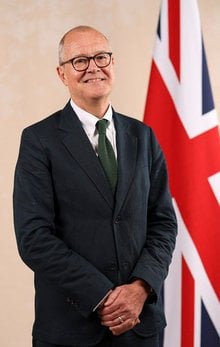
"We are entering an era of preventions and cures and this landmark deal will ensure British patients are among the first in the world to access them," says Lord Patrick Vallance, Science Minister at the UK Government.
"This is a vital agreement that delivers two big benefits. It will help us get the best and most innovative treatments to patients right across the UK quickly. And with a world-beating deal on US tariffs, it is a huge boost for our pharmaceutical industry - cementing the UK as the destination of choice for life sciences businesses to invest, innovate and grow."
Trade and tariff protection
The commercial centrepiece of the agreement is a three-year guarantee of zero tariffs on UK pharmaceutical exports to the US market.
This protection applies to exports worth at least £5bn (US$6.5bn) annually and removes a layer of financial risk that could have affected pricing strategies and profit margins for UK manufacturers.
"This deal guarantees that UK pharmaceutical exports – worth at least £5bn (US$6.5bn) a year - will enter the US tariff free, protecting jobs, boosting investment and paving the way for the UK to become a global hub for life sciences," says Peter Kyle, Business and Trade Secretary at the UK Government.
"We will continue to build on the UK-US Economic Prosperity Deal and the record-breaking investments we secured during the US State Visit, to create jobs and raise living standards as part of our Plan for Change."
Companies focused on medical technology exports are also expected to receive preferential trading conditions under the agreement, which could encourage additional manufacturing investment across the healthcare sector.
The tariff protections provide commercial certainty that could influence corporate decisions about where to locate production facilities and research operations, particularly for firms that export substantial volumes to the American market.
Supply chain and regulatory cooperation
The UK and US governments plan to establish a Supply Chains Partnership that aims to improve medicine availability and reduce the frequency of shortages that can disrupt sales.
The partnership includes measures to diversify sourcing of critical pharmaceutical ingredients away from what both governments describe as non-market economies, which could create new business opportunities for suppliers in the UK and US.
Both countries are set to pursue greater regulatory alignment for medical devices and explore reciprocal recognition of product approvals.
If implemented, these measures could reduce the time and cost required to sell products in both markets, which would improve margins and potentially accelerate revenue growth for companies that operate transatlantically.
Higher NHS spending on medicines creates expanded revenue opportunities for pharmaceutical companies but also introduces complexities around pricing negotiations.
The government has committed to increasing pharmaceutical expenditure while maintaining the Voluntary Scheme for Branded Medicines Pricing, Access and Growth, which governs how medicine prices are set.
The updated NICE evaluation methods are intended to allow more high-cost treatments to qualify for NHS funding, which could open new revenue streams for companies developing therapies for cancer, rare diseases and other complex conditions.
The agreement represents a shift in how Britain balances innovation incentives with healthcare affordability, creating both opportunities and challenges for pharmaceutical companies operating in or selling to the UK market.
Company portals





Executives
Liz Kendall
Secretary of State for Science, Innovation and Technology
Lord Patrick Vallance
Science Minister
Peter Kyle
Secretary of State for Business and Trade

Zubir Ahmed
Health Minister