
Why is Lamborghini Abandoning EV plans & Shifting to Hybrid?
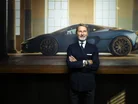
Italian supercar manufacturer Lamborghini has scrapped its all-electric vehicle plans, marking a significant strategic pivot that could signal broader shifts across the luxury automotive sector. The decision to abandon battery-powered models in favour of a hybrid-focused strategy reflects changing consumer preferences among affluent buyers and raises important questions about the pace of electrification in premium markets.
The move represents a notable reversal from the company's 2021 environmental strategy, which had outlined a US$1.77bn investment encompassing both hybrid and fully electric vehicles. For C-suite leaders navigating similar transitions, Lamborghini's decision offers valuable insights into balancing sustainability commitments with market realities and shareholder expectations.
Although the brand introduced its first all-electric concept, the Lanzador, in 2023, it has confirmed the model will not reach production. This strategic U-turn demonstrates how even well-capitalised luxury brands must reassess long-term investments when customer acceptance fails to materialise as anticipated.
Customer acceptance drives strategic reversal
Lamborghini President and CEO Stephan Winkelmann told The Times that the market for fully electric supercars had "effectively stalled". He cautions that continuing EV development risked becoming "an expensive hobby" for the brand, noting that the acceptance curve for battery technology among its customer base was now "close to zero".
According to Stephan, the Lanzador will be replaced by a plug-in hybrid alternative, meaning Lamborghini's entire lineup will consist of plug-in hybrids by 2030. The company will also continue producing traditional combustion engine vehicles "for as long as possible" to satisfy ongoing demand, highlighting the strategic importance of maintaining flexibility in product portfolios.
For executives managing similar transitions, this decision underscores the risks of overcommitting to emerging technologies before market demand consolidates. The ability to pivot quickly whilst maintaining brand integrity could prove critical for companies navigating the uncertain path to electrification.

Hybrid strategy delivers commercial success
Owned by Volkswagen through its Audi subsidiary, Lamborghini announced in early 2025 record-breaking results that validate its strategic direction. The company delivered 10,747 cars worldwide, driven by strong enthusiasm for its hybridisation strategy among international buyers.
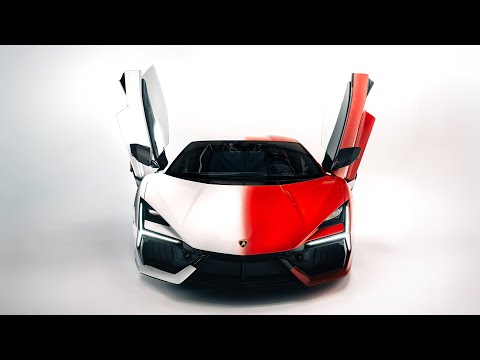
Europe remains Lamborghini's largest market, followed by the Americas and Asia Pacific. The results were boosted largely by demand for the Revuelto hybrid supercar, priced from £450,000, and the plug-in hybrid Urus SUV. These models were recently joined by the hybrid Temerario, completing the marque's transition to electrified powertrains whilst maintaining combustion engines.
Balancing stakeholder expectations with technology
A critical factor behind the shift away from EVs centres on what Lamborghini identifies as insufficient emotional engagement in fully electric performance cars. Stephan explains that sports car enthusiasts had failed to develop a "specific emotional connection" with EVs, primarily because they missed the sound and character of an internal combustion engine.
The visceral sensation of a roaring engine remains what he describes as "non-negotiable" for Lamborghini owners. "Investing heavily in full-EV development when the market and customer base are not ready would be an expensive hobby and financially irresponsible towards shareholders, customers [and] to our employees and their families," he states.
For CEOs and board members, this framing positions the decision not merely as product strategy but as fiduciary responsibility. Stephan believes hybrid technology currently offers the optimal solution, stating: "Plug-in hybrids offer the best of both worlds, combining the agility and low-rev boost of electric battery technology with the emotion and power output of an internal combustion engine."
By focusing exclusively on hybrids, Lamborghini aims to meet tightening environmental regulations whilst maintaining the performance-driven heritage that defines its brand value and satisfies shareholder expectations. The decision could provide a strategic template for luxury brands weighing sustainability ambitions against commercial viability.
Company portals

Executives
Stephan Winkelmann
Chairman and CEO