Why is Workday's Co-Founder Returning As CEO... Again?
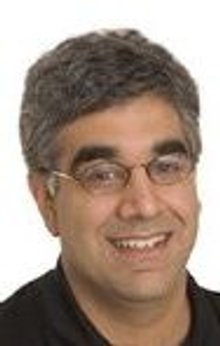
Workday, an enterprise AI platform for human capital management, announced on 9 February that its Co-Founder Aneel Bhusri will be returning to lead the company as CEO with immediate effect.
Current Chief Carl Eschenbach is stepping down from the position and as a member of the board after leading the company through a period of growth, expanded industry focus and operational discipline, according to Workday.
Aneel will be tasked with steering the company as it focuses on the rapidly evolving AI era. Carl will support his successor through the transition as Strategic Advisor to the CEO.
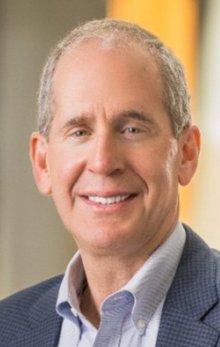
Discussing the appointment, Workday's Vice Chair and Lead Independent Director Mark Hawkins said in a company statement: "Aneel and Dave Duffield founded Workday with a belief that work could be done differently, and they built one of the most innovative companies in enterprise software.
"As we enter a defining moment shaped by AI, there is no one better than Aneel to lead this next chapter. His vision, conviction and deep connection to Workday's culture will position the company to continue to lead in a changing landscape.
A returning CEO
As former PeopleSoft executives, an enterprise resource planning software company, Aneel and Dave founded Workday in 2005 to provide cloud-based applications for financial management and human capital management.
But 2026 is not his first rodeo as the Chief.
At the time it was founded, Dave took the CEO seat, until Aneel joined as co-CEO in 2009 until 2014. He served as solo CEO from 2014 until 2020.
Carl and Aneel served as co-CEOs until Carl took the spot on his own and Aneel became the company's Executive Chair.
Sharing the news on LinkedIn, he said: "It's both humbling and energising to step back into this role at such a pivotal time for our company and our industry.
"AI is reshaping how work gets done and represents an even bigger transformation than the shift to cloud 20 years ago. Just as we helped redefine enterprise software when we founded Workday, I believe we can once again lead the way in this AI era."

Aneel added that the company is now opening chapter four: "With 20 years of trusted data and process history, we know how decisions flow, how policies are applied and how work really gets done."
That deep expertise uniquely positions us to turn generic intelligence into enterprise-grade intelligence and everyone who relies on Workday.
Carl Eschenbach steps down
After serving for three years as CEO, Carl announced on LinkedIn the transition to his new role and what the company has achieved under his leadership. He said: "When I first joined, I knew we had a massive opportunity to take this great company and scale it for the global stage. I'm proud of what this team has accomplished together.
"We've strengthened operations, expanded into critical new markets and grown a world-class partner ecosystem. Most importantly, our Workmates have positioned the company to lead as an enterprise AI platform."
The announcement of his resignation comes within a week after it was announced that the company is planning to cut around 400 employees from its workforce.
The cuts, which amount to 2% of the company's workforce, are focusing on "non-revenue generating", customer roles, the company said in a regulatory filing.
Workday says that these cute will help the company better invest in its priority areas, but will lead to significant short-term costs.
"Workday estimates that it will incur approximately US$135m in charges... consisting of approximately US$40m of future cash expenditures related to severance payments, employee benefits and related costs, and approximately US$15m in non-cash charges for stock-based compensation."
Carl said in a note to employees at the time: "We have so much opportunity ahead of us, especially with the potential of AI, and we have a strong foundation to build upon."
Company portals

Executives
Aneel Bhusri
CEO and Co-Founder
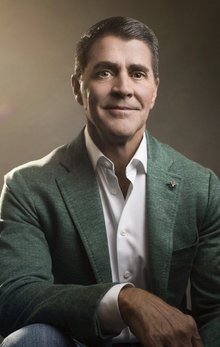
Carl Eschenbach
Chief Executive Officer
Mark Hawkins
Lead Independent Director, Vice-Chair