
Why United Airlines CEO Scott Kirby Warned over Price Rises

As the conflict in Iran intensifies, global airlines have begun to increase fares and cancel flights in an effort to mitigate rising oil prices.
In addition, the cost of crude oil has surged to more than 50% since the conflict began in February, while global jet fuel prices have since more than doubled, rising to US$1541.45 per metric tonne on 27 March, according to the International Air Transport Association.
Prices are rising due to the closure of the Strait of Hormuz, through which a fifth of the world’s global oil supply passes.
Prior to the conflict, the airline industry had forecast record profits of US$41bn in 2026, but with increasing jet fuel prices and companies voiding thousands of flights as a result of the conflict — with more than one in 20 cancelled at the start of the week — airlines are rapidly rethinking their strategies.
Airlines are issuing warnings to consumers over the impending impact, including from Qatar Airways who have announced reduced service and asked travelers to not arrive at their departure airport without a valid confirmed ticket for travel.
Effect of shortages on the market
In tandem with oil price increases, concerns are growing over the shortages of jet fuel.
According to the Financial Times, The UK is set to receive its last-known shipment of jet fuel from the Middle East this week on 2 April.
Discussing the impact of these shortages, Alex Macheras, an aviation analyst, said: “A serious jet fuel shortage is less than a week away across multiple different markets”, including “at some major European airport hubs.”
He added that airports were informing airlines to “prepare for a potential ‘no-fuel available here’ scenario”.
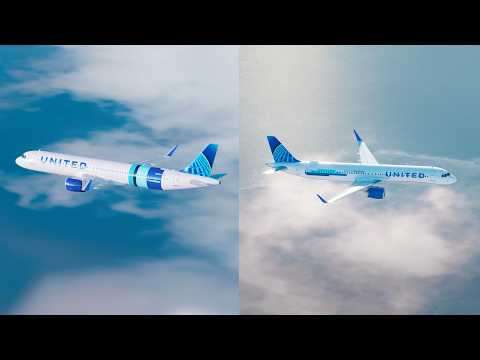
Several airlines have started cancelling flights to save costs, with companies like United Airlines reducing 5% of capacity on routes that are deemed less profitable.
United Airlines CEO Scott Kirby warns some airlines might not financially recover if these costs don’t come down, saying: “If [airlines] make the same mistakes they made six years ago, during the Covid-19 pandemic, and if the forecast about $175 per barrel is right, you’ll see airlines not survive.”
Scott warns of impacts on the consumer, saying if jet fuel prices remain elevated, ticket prices may have to go up by 20%. Increases like this are designed to allow the industry to recoup some of the increased costs incurred by the limitation of oil access.
Nathan Gee, the Head of Asia-Pacific Transport Research at the Bank of America, suggests airlines who regularly offer consumers a low-cost service, such as Spirit Airlines and Allegiant Air, could struggle the most as their passengers are more price-sensitive than consumers who have been targeted by more premium options, such as Delta Air Lines and United Airlines.
“I think for the more price-sensitive travellers, even the short-haul flying trip gets downgraded, potentially to rail or to bus or other alternatives,” he adds.
Long-term consumer concerns
According to a BBC report, the increase in the cost of oil, in addition to its limited supply, will see the rise of prices not just in the airline industry but across all global industries in the long-term.
The report details that there will be an immediate rise in petrol and diesel prices, with petrol prices in the US already rising to US$3.02 per gallon and diesel rising to US$3.90, both still under the peak price following Russia’s invasion of Ukraine, when prices for both reached US$5 per gallon.
Other impacts include the price of shipping consumer goods via sea, the most common method of goods transportation in the world.
On 3 March, the London Stock Exchange Group announced the cost of hiring a supertanker to move oil from the Middle East to China reached an all-time high of more than US$400,000, almost double the cost the previous week.
According to the International Monetary Fund, shipping costs are one the biggest drivers of global inflation. However, in recent months prior to the conflict, the rate of inflation has been falling.
In the US, inflation eased to 2.4% in January, slightly above the Federal Reserve’s 2% target, while Europe was expected to see a rise from 1.7% in January to 1.9% in February, after sustained falls.
There are growing concerns the war could reverse this trend, meaning prices would rise at a faster rate for consumers. Should that happen, central banks across the world may be less likely to cut interest rates as they attempt to curb rising prices.
Company portals

Executives
Scott Kirby
CEO