
Benifex: Stop Buying Perks and Start Building Infrastructure

As Chief Innovation Officer at employee benefits platform Benifex, Gethin Nadin works with global giants to deliver rewards that drive both human and business outcomes.
A psychologist and bestselling author with over 20 years in HR, Gethin’s influence on the sector was recognised in 2026 when he was named one of the UK’s Top 100 Most Influential People.
When speaking to Business Chief Magazine, Gethin explains that too many "digital transformations" prioritise compliance and process over the employee experience – ultimately undermining adoption and value.
He dives into how business leaders can move away from rigid habits, like the standard 9-5, and instead build benefits and "time design" strategies that actually reflect the modern reality of employees' lives.
1. Why is business digital transformation still leaving employees behind, and why are they ignoring the benefits you’re investing in?
For most organisations, “digital transformation” was never designed around employees in the first place. For decades, transformation meant implementing payroll and HRIS well – systems built for compliance, governance and transactional accuracy, not for shaping how work actually feels.
In solving for risk, we designed the employee out of the stack. The result is fragmented experiences: disconnected systems for pay, leave, wellbeing and benefits, with poor design and little guidance.
In that environment, even generous benefits go unnoticed.
If something is hard to find or understand, it effectively doesn’t exist – and that’s an infrastructure failure, not an engagement issue. Benefits technology corrects this.
As the third core pillar of HR tech, it translates reward investment into outcomes leaders care about: wellbeing, retention, productivity and performance.
2. If the 9-5 is fundamentally misaligned with performance, how can leaders implement "time design" to fix burnout?
We have to get comfortable with destroying our historic views of time and productivity.
The eight‑hour day is an industrial artefact, not a model for ideal performance. Modern research shows that human energy, focus and creativity fluctuate throughout the day, yet work is still organised as if productivity were linear.
That mismatch is helping to create such widespread presenteeism and burnout.
Business leaders must now focus on designing the conditions for performance (autonomy, recovery and focus) rather than hours logged.
In this day and age, time itself should be treated as something that should be protected and intentionally returned to employees.
Organisations that “design time” well are seeing more sustainable performance, not just healthier people.
Ultimately, what someone achieves matters far more than where they are, how long they are visible, or when they work. It's time to aggressively move beyond industrial assumptions to unlock better performance.

3. Why are most benefits strategies solving the wrong problems, and what should organisations be doing instead?
Most benefits strategies start in the wrong place.
Employers focus on what’s available, affordable or common in the market, rather than how their people actually experience their lives.
We rarely step back and ask what challenges our workforces are facing: home ownership pressures, mental health strain, caring responsibilities both above and below them, or the instability created by an increasingly volatile economy.
As a result, very different populations end up with remarkably similar benefits.
Organisations need to reverse the logic – start with lived experience, social change and real need, then design benefits to respond to those realities.
Benefits should evolve as society does. Done properly, they create genuine value for employees and stronger returns for the business.
4. Beyond the theory, what is one practical shift leaders can make to stop investing in tools and perks that people don't use?
Stop buying isolated wellbeing solutions and start investing in employee benefits infrastructure that changes behaviour.
The UK workplace wellbeing market has grown rapidly, yet overall workforce health has declined – a sign that many interventions were not effective. What has consistently endured is employee benefits, supported by technology.
Wellbeing must remain the priority for UK employers: even small improvements in wellbeing deliver disproportionate gains in engagement, retention, productivity and overall firm performance.
Benefits platforms matter because they act as a front door to support, guiding employees earlier into prevention, triage and care, rather than waiting until problems escalate into costly claims.
Employees with clear access and navigation report higher wellbeing and confidence.
Crucially, wellbeing and benefits remain at the top of what employees say they want from employers.
When do we stop buying what we think people want, and start listening to what they consistently tell us they need?
Company portals

Executives
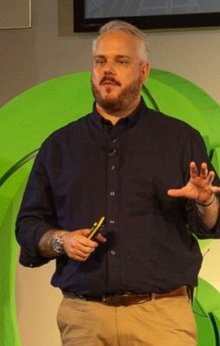
Gethin Nadin
Chief Innovation Officer