Dario Amodei: Culture is Key for Anthropic's Growth

For business leaders in the technology sector, the challenge of maintaining organisational cohesion during periods of hyper-growth is a critical strategic concern. According to Dario Amodei, co-founder and CEO of Anthropic, dedicating a substantial portion of executive time to internal culture is necessary to establish a competitive advantage in the AI market.
Speaking on the Dwarkesh Podcast, Dario outlines his approach to leadership, suggesting that aligning employees on core mission and values is essential for long-term operational success. He notes that this focus prevents the dilution of purpose often seen in rapidly scaling enterprises.
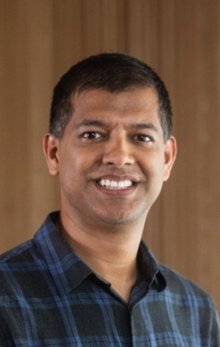
“I probably spend a third, maybe 40%, of my time making sure the culture of Anthropic is good,” Dario says.
This significant time allocation is intended to ensure that the workforce remains unified in its objectives regarding AI safety and development. Dario suggests that getting this cultural foundation right is as critical as technical execution.
“I think we’ve done an extraordinarily good job, even if not perfect, of holding the company together, making everyone feel the mission, that we’re sincere about the mission, and that everyone has faith that everyone else there is working for the right reason.”
Managing rapid organisational expansion
The necessity for such a robust cultural framework correlates with the company's financial and operational trajectory. Founded in 2021, Anthropic has experienced a period of intense expansion. In February 2026, the company announced it had raised US$30bn in Series G funding, valuing it at US$380bn post-money.
According to Krishna Rao, Chief Financial Officer at Anthropic, this valuation and influx of capital are driven by the market adoption of their enterprise products.
“Whether it's entrepreneurs, startups or the world's largest enterprises, the message from our customers is the same: Claude is increasingly becoming critical to how businesses work,” says Krishna.
The funding is designated to support the infrastructure required for enterprise-grade solutions.
“This fundraising reflects the incredible demand we are seeing from these customers, and we will use this investment to continue building the enterprise-grade products and models they have come to depend on.”
With such substantial capital reserves now available, the company faces the logistical task of deploying resources efficiently while maintaining its core safety protocols. This financial milestone marks a transition from a research-focused startup to a global enterprise capable of competing with established technology giants.

Shifting executive operational focus
As the organisation scales to meet this demand, the role of the CEO has had to evolve. Dario notes that as the headcount increases, his ability to influence specific technical outcomes diminishes, requiring a pivot towards high-leverage activities like cultural stewardship.
“As Anthropic has gotten larger, it’s gotten harder to just get involved directly in the training of the models, the launch of the models, the building of the products,” Dario says.
The workforce now stands at approximately 2,500 employees, creating a layer of complexity that prevents micromanagement.
“It’s 2,500 people. It’s like, there’s just, I have certain instincts, but it’s very difficult to get involved in every single detail. I try as much as possible, but one thing that’s very leveraged is making sure Anthropic is a good place to work.”
According to Dario, the core of this leverage lies in fostering an environment of transparency. He indicates a preference for an unfiltered leadership style to bypass standard corporate bureaucracy.
“If you have a company of people who you trust – and we try to hire people that we trust – then you can really just be entirely unfiltered,” he says.
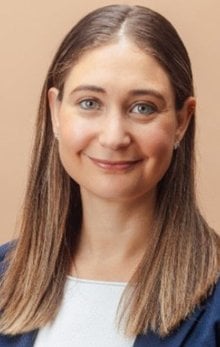
Daniela Amodei, co-founder and President of Anthropic, outlined the specific soft skills required for potential hires in an interview with ABC News.
“We look for people who are great communicators, who have excellent EQ and people skills, who are kind and compassionate and curious and want to help other people,” says Daniela.
This assessment is integrated into a rigorous recruitment framework. The process can involve five to six stages, designed to test a candidate's strategic decision-making capabilities, their proficiency in collaborating with AI tools and their ability to communicate complex ideas effectively.
By filtering for these specific character traits, the leadership team aims to create a workforce that can operate autonomously without constant oversight. This strategy reduces the administrative burden on executives, allowing them to focus on high-level strategic direction rather than daily personnel management.
Company portals

Executives
Daniela Amodei
President and co-founder

Dario Amodei
CEO and Co-Founder
Krishna Rao
Chief Financial Officer