
Ford Changes Hiring Strategy After AI Fails to Deliver

Following an unsuccessful AI push within the company’s production process, Ford says it has rehired several human engineers to replace its AI manufacturing processes.
The company says it initially sought to use the technology to reduce costs and increase productivity, with Ford adopting it across several parts of its operations, including areas like quality control.
Ford says in recent years it has rehired around 300 veteran engineers to address the pitfalls of its AI systems.
Discussing the shift in Ford’s hiring focus, Charles Poon, Vice President of Vehicle Hardware Engineering, says: “Artificial intelligence is a fantastic tool, but it's only as good as the information you use to train it.”
He adds that the company “didn’t pay as much attention” as it should have to the experience of its “most knowledgeable engineers” that have been with the company through multiple product cycles.
Ford is one of many companies looking to leverage the technology to improve business operations, with many in the global market looking to use AI to potentially grow profit margins.

A lack of training and expertise
During an October earnings call, Ford Chief Operating Officer Kumar Galhotra said the firm was deploying “AI across the entire industrial system”.
He added that this strategy would include the deployment of 900 AI-powered cameras in Ford plants, designed to “detect quality issues at the source” and “help mitigate supply disruptions”.
According to Charles, however, the company’s AI-driven systems weren’t achieving its desired outcomes.
“Mistakenly, we thought that by just introducing artificial intelligence and ingesting the design requirements that we had, that would produce a high-quality product,” he says.
Charles also adds that compared to veteran engineers, automated tools lack the training and expertise needed to efficiently run the production process.
Since Ford’s decision to reverse the presence of AI, Charles says human workers had since been reintroduced to train its systems, in addition to mentor younger workers.
“We recognised that for us to enhance some of our automation and machine learning and artificial intelligence tools we needed to ensure that they were trained by the most experienced individuals," he says.
A significant talent refresh
Ford's challenges around AI integration comes as it recently returned to the top spot of the JD Power 2026 US Initial Quality Study – the first time since 2010.
Commenting on this achievement, the company says this could not have been done without a “significant talent refresh”.
Ford says this refresh involved the replacement of several senior leaders across engineering, supply chain and manufacturing, in addition to the hiring of hundreds of engineers who “carry the hard-earned wisdom of decades of design”.
It adds that these workers will act as internal auditors and will run “mandatory weekly design reviews to hunt for and eliminate potential failure points before blueprints ever reach the factory floor”.
Discussing the hiring strategy, Kumar says that these engineers and technical specialists are “at the heart” of the Ford’s efforts to enhance production quality and will help by addressing manufacturing challenges prior to their integration into process workflows.
Company portals

Executives
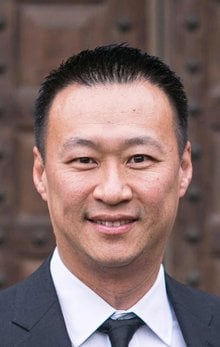
Charles Poon
Vice President of Vehicle Hardware Engineering

Kumar Galhotra
COO