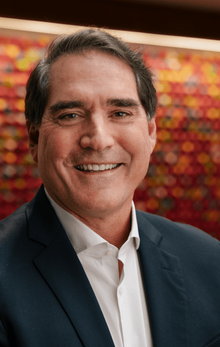
How Did Coca-Cola CEO James Quincey Deliver In Last Year?

The Coca-Cola Company has closed 2025 with measured top-line growth and improved comparable sales profitability, even as reported income was weighed down by one-time charges and currency headwinds, marking James Quincey's last results as Chairman and CEO.
For the fourth quarter, net revenues rose 2% to US$11.8bn, while organic revenues increased 5%. Unit case volume also grew 1% in the quarter, showing an improvement from the flat performance rate for the full year.
Earnings per share rose 4% to US$0.53 in the quarter, while comparable EPS increased 6% to US$0.58. For the full year, EPS grew 23% to US$3.04, and comparable EPS rose 4% to US$3.
Operating income declines 32% in the fourth quarter, reflecting items impacting comparability, including a US$960m non-cash impairment charge related to the BODYARMOR trademark, as well as currency headwinds, according to Coca-Cola.
However, comparable currency neutral operating income grew 13% in both the quarter and full year, driven by organic revenue growth and cost management.

Discussing the results in the company statement, James said: "I'm encouraged by our performance in 2025 which showed both the resilience and momentum that define our business. Looking ahead, we will focus on executing our strategy even better and positioning our system for long-term success."
He wrote on LinkedIn: "In 2025, we remained agile and executed out strategy to deliver on our initial topline and bottom-line guidance set last February. We navigated a complex external environment to meet consumers where they are, offering choices across occasions and preferences."
Portfolio performance and cash flow
Category performance was mixed but showed strength in several growth segments. Sparkling soft drinks were flat for both the quarter and the full year, though Coca-Cola Zero grew 13% in the quarter and 14% for the year.
Water, sports, coffee and tea grew 3% in the quarter and 2% for the full year, while juice, value-added dairy and plant-based beverages declined 3% in both periods.
Cash generation remained a focal point. Cash flow from operations totalled US$7.4bn for the full year, while reported free cash flow was US$5.3bn. Excluding a US$6.1bn contingent consideration payment related to fairlife, free cash flow reached US$11.4bn.
The company paid US$8.8bn in dividends during 2025 and has increased its dividend for 63 consecutive years.
Looking ahead, Coca-Cola says it expects organic revenue growth of 4% to 5% in 2026 and comparable EPS growth of 7% to 8%. The company anticipates generating approximately US$12.2bn in free cash flow in 2026.
An anticipated leadership transition
Taking over from James, who sat in the top seat for almost a decade, is Henrique Braun, currently Executive Vice President and Chief Operating Officer, succeeding him on 31 March.
Henrique joined Coca-Cola in 1996 and has held senior roles across Brazil, Greater China, South Korea and Latin America.
In accepting the role, he said: "I'm honoured to take on this new role and have tremendous appreciation for everything James has done to lead the company. I will focus on continuing the momentum we've built with our system.
"We'll work to unlock future growth in partnership with our bottlers. I'm excited about the future of our business and see huge opportunities in a fast-changing global market."
Discussing the financial results, Chief Financial Officer John Murphy added on LinkedIn: "Looking ahead in 2026, I’m confident the company will achieve its guidance targets. I’m also looking forward to working closely with Henrique Braun as he steps into the CEO role on March 31."
As Coca-Cola enters 2026, the company is balancing steady organic growth, disciplined cost management and leadership continuity. With guidance pointing to moderate expansion and a new CEO preparing to take to the helm, the focus now turns to execution in a shifting global beverage landscape.
Company portals

Executives
Henrique Braun
Chief Operating Officer
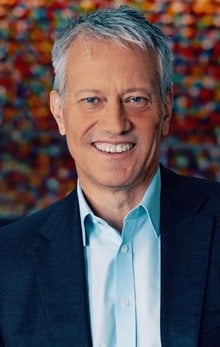
James Quincey
CEO
John Murphy
President and Chief Financial Officer