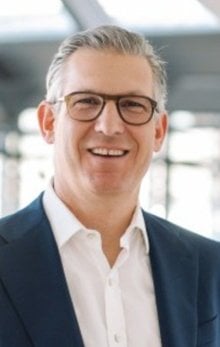
How Is Nestlé’s CEO Strengthening Strategy With Core Units?
Following his appointment, CEO Philipp Navratil plans to reorganise Nestlé into four core units: pet care, coffee, nutrition and food and snacking. This reorganisation aims to reduce costs and centralise functions such as marketing.
The company is also prioritising real internal growth-led expansion and is upgrading its marketing and innovation capabilities. These actions resulted in an organic growth rate of 3.5% for 2025, with revenue projected to rise between 3% and 4% in 2026.
Nestlé remains focused on winning categories and leveraging commercial synergies to drive sustained improvement and long-term value for shareholders.
encouraging performance in difficult environment
Management expressed confidence in the company's results during 2025, despite a challenging macroeconomic environment and weakening consumer sentiment.
Real internal growth (RIG) was positive across all zones and global businesses. “I am encouraged by our performance during 2025, which reflects the targeted actions we have taken in a difficult external environment,” said Philipp.
He noted that targeted growth investments helped drive RIG acceleration from 0.2% in the first half of the year to 1.4% in the second half. Improving organic growth and market share trends suggest that the current strategic actions are delivering results.
World leader in diversified food processing
Nestlé is a Swiss multinational food and drink processing conglomerate headquartered in Vevey, Vaud, Switzerland. It is the largest food company in the world, measured by revenue and other key metrics.
The firm produces a vast range of products, including baby food, medical food, bottled water, breakfast cereals, coffee and tea, confectionery, dairy products, ice cream, frozen food, pet foods and snacks.
Known for global powerhouse brands such as Nescafé, Nespresso and Purina, the company has operated for over 150 years, maintaining market-leading positions in several global categories while employing a simplified organisational structure.
Focus on powerhouse global businesses
The company is concentrating its resources on global powerhouses in coffee, pet care and nutrition, which together account for approximately 70% of sales. Food and snacks remain a priority through leading regional positions and global brands.
“We are focusing our portfolio on four businesses, led by our strongest brands, with prioritised resources and a simplified organisation,” said Philipp.
To drive focus, the company is in advanced negotiations to sell its ice cream business to Froneri. Additionally, Nestlé Waters & Premium Beverages is expected to be deconsolidated from 2027 as the company engages with potential partners.

Investing boldly in growth platforms
Growth investments are being directed toward high-potential platforms, such as cold coffee, medical nutrition and pet therapeutics. These platforms have been expanded to represent 30% of group sales and are expected to deliver high single-digit organic growth.
“We are upgrading our marketing and innovation and increasing investment behind high-potential growth platforms,” said Philipp. He explained that these platforms capitalise on competitive strengths in structurally growing areas.
An additional investment of CHF 0.6bn (US$ 775.8m) is planned for 2026 to support these platforms, as part of a medium-term ambition to grow organic sales at a rate of 4% or more.
Step up in efficiencies and transformation
Efficiency programmes and business transformation are central to the new CEO's plan to strengthen the company’s financial position. Nestlé is simplify its organisational structure and clarifying accountabilities to improve productivity.
“We are stepping up our efficiencies and strengthening our financial position,” said Philipp. He indicated that faster execution of this focused strategy is expected to deliver sustained improvement.
The company is targeting CHF 1.0bn (US$1.29bn) in annual operational efficiency savings by the end of 2027, with 20% of white-collar professional savings already achieved ahead of the original plan.
For the first time in more than a decade, billionaire brands share growth is turning positive, which Philipp views as a sign of progress. While the infant formula recall is expected to have a sales impact in 2026, the overall group volume share is now flat.
“While there is more to be done, we are confident that our faster execution of a more focused strategy will deliver sustained improvement through 2026 and beyond,” said Philipp.
He noted that the company’s actions have delivered broad-based momentum in organic sales growth, with improvement across every category and zone during the second half of 2025.
Company portals

Executives
Philipp Navratil
Chief Executive Officer