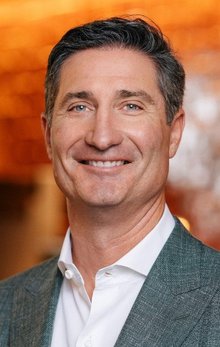
Why has Starbucks Scrapped its CEO's Private Jet Use Cap?

Like many CEOs, Starbucks’ Brian Niccol is well versed in private jet travel.
The coffee chain’s leader, who joined the firm in late 2024, frequently uses the company’s jet to travel the near 1,600km journey from his home in Newport Beach, California to its HQ in Seattle.
Until September 2025, Brian’s use of the jet for commuting and other business and personal travel had been annually capped at US$250,000.
If he exceeded the amount he had to reimburse the company, according to Starbucks filings and Brian’s initial offer letter, filed with the Securities and Exchange Commission (SEC).
In a recent filing, Starbucks has changed its agreement on how Brian uses the company jet, removing the previous travel cap across.
The move follows a security review and comes at a time when many US businesses are rethinking executive security after the fatal shooting of UnitedHealthcare Chief Executive Brian Thompson in December 2024.

Enhanced personal security
In its 27 January SEC filing, Starbucks said the decision was based on “enhanced media attention” and “the current threat landscape”.
As reported by Business Insider, the filing said: “This change was driven by the security study’s recommendation that Mr. Niccol use Company aircraft for all air travel, including personal travel, and the Company’s ongoing monitoring of Mr. Niccol’s security situation.”
Starbucks undertook a study with a third party, which it says “determined that enhanced personal security measures were necessary for Mr. Niccol’s personal safety”.
According to the BBC, the firm said: "Given Mr Niccol's chief executive role, the enhanced media attention to which Mr Niccol and Starbucks are subject, and the current threat landscape, the security study for Mr Niccol also recommended that Mr Niccol use private aviation for all air travel, whether for personal, commuting, or business purposes.”
The private jet benefit became one of the first controversies of Brian’s tenure as CEO at Starbucks, with critics arguing it conflicted with the company’s public sustainability commitments.
His offer letter, filed with the SEC and dated 11 August 2024, states: “You agree to commute from your residence in Newport Beach, California to the Company’s headquarters in Seattle, Washington as required to perform your duties and responsibilities.
“You will be eligible to use Company aircraft for business-related travel, travel between the city of your residence and the Company’s headquarters and for personal travel, subject to imputed income and reimbursement to the Company of up to $250,000 per year.”
Leading a turnaround
In a recent earnings call, Brin announced Starbucks' results for Q1 2026, revealing a net revenue of US$7,208.50 for the quarter, compared to US$7,071.90 in the equivalent quarter of fiscal year 2025.
The company’s global comparable store sales increased 4% over the period, driven by a 3% increase in comparable transitions, with particular success in China, where store sales grew by 7%.
The company opened 128 new stores in Q1 2026, just over half of which are company-owned.
Brian said: “Our Q1 results demonstrate our ‘Back to Starbucks’ strategy is working and we believe we’re ahead of schedule.
“It’s great to see the sales momentum driven by more customers choosing Starbucks more often, and this is just the beginning.”
‘Back to Starbucks’ is a strategy initiated by Brian aimed at reviving the coffee company’s appeal following complaints from customers about complex menus, declining service and waiting times.
Brian has considerable experience in these kinds of transformations, being well known for leading successful turnarounds at brands like Chipotle and Taco Bell, where his focuses on simplification and streamlining improved operations.
After replacing former CEO Laxman Narasimhan, Brian has overseen investment in new technologies and AI-powered customer service solutions, and restructured the company’s leadership team.
Touching on progress to date on the recent earnings call, CFO Cathy Smith said: “With our ‘Back to Starbucks’ initiatives gaining traction, we have a clear line of sight to translating top-line strength into sustainable earnings growth that positions us for long-term profitable growth.”
Company portals
Executives
Brian Niccol
Chairman and Chief Executive Officer
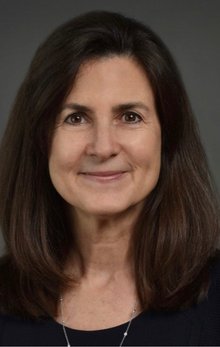
Cathy Smith
Chief Financial Officer