How Sustainability is at the Heart of Patagonia's Business

The apparel industry contributes approximately 2% to the world's yearly greenhouse gas emissions, according to the World Resources Institute.
In response, companies are exploring ways to lessen their environmental impact through strategic operational adjustments.
Patagonia stands head and shoulders among many in the industry, built on an ethos of environmentalism and social justice driven by founder Yvon Chouinard.
The company’s core mission, ‘We’re in business to save our home planet’, dictates every business decision across the 45 countries and 106 owned stores it is present.
To detail what this ethos looks like on a practical level, the company has published its first sustainability progress report, giving visibility to its decarbonisation journey.
Patagonia has set a target to achieve net zero emissions by 2040. Its strategy focuses on fundamentally cleaning up its supply chain to prevent pollution at the source rather than purchasing carbon offsets.
A key part of this strategy involves its global owned and operated facilities, for which Patagonia has set a goal to power them with 100% renewable electricity. By the end of its 2025 fiscal year it reported reaching 98% of this target and is now addressing the remaining 2%.

Patagonia’s decarbonisation strategy
Patagonia’s approach to sustainability reporting is framed with a unique perspective acknowledging that “nothing we do is sustainable”.
The company's position is that no business can truly give back more to the environment than it takes. Instead, its reports aim for transparency and accountability by openly recognising the company’s impact and outlining the steps it is taking to reduce and repair that damage.
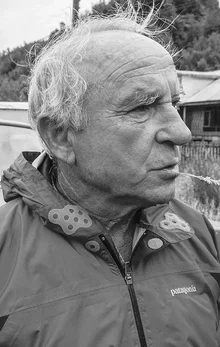
Yvon Chouinard, Founder and Ex-Owner of Patagonia, says: “Patagonia is not perfect by any means. We do not have all the answers but the fear of getting things wrong in the process cannot stop us from trying to get things right in the end.
“We have work ahead of us to reach the full potential of our business structure, prove this experiment works and explain why it matters to our employees and community.”
Sourcing recycled materials for durability
Patagonia highlights a focus on creating high-quality responsibly made products that are durable, multifunctional and repairable. This product strategy is designed to reduce waste and make better use of natural resources.
In its 2025 fiscal year more than 93% of its polyester and 89% of its nylon were from recycled sources, which could reduce its use of petroleum and support waste recycling streams.
The company is concentrating on sourcing recycled synthetic materials that offer the same durability as their non-recycled counterparts. The stated goal is to phase out the use of non-recycled or virgin synthetic fibres made from petroleum by the end of 2025.
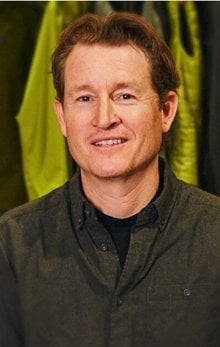
Ryan Gellert, CEO at Patagonia, explains: “The last thing we wanted was for this progress report to be page after page of self-congratulation.
“While we do get into specifics about the work done by teams across the company and pay credit to deserving colleagues this report is a way to stay accountable to our community by showing what we’re committed to and what we’re doing to achieve it. By sharing our best practices and overcoming our fear of calling out the worst ones we can have real lasting impact.”
Brands for Public Lands coalition
In April 2025 Patagonia co-founded the Brands for Public Lands coalition with The Conservation Alliance.
The group’s objective is to protect public lands from threats such as defunding development and resource extraction. The coalition has grown to include 100 brands which represent over 62,000 employees and more than US$19.9bn in annual revenue.
The members of this coalition commit to supporting legal action, influencing policymakers and educating their customers.
“Businesses must move on from declaring they care about the planet then hiding behind industry organisations that lobby against climate action in the name of profits,” says Ryan.
“It’s going to take real, sometimes uncomfortable work from all of us, but let’s agree that corporate climate action goes beyond sustainability slogans and examines our own practices and impact.”
Company portals
Executives
Ryan Gellert
CEO
Yvon Chouinard
Founder and Ex-Owner