McKinsey Doubles Leadership Training for Executives

Senior executives are facing unprecedented pressure as geopolitical tensions and AI advancement transform how businesses operate. McKinsey has responded by significantly expanding its leadership training programmes, with participation from senior executives doubling in less than two years.
The shift reflects broader trends affecting C-suite leaders globally. Research from AlixPartners suggests that 40% of chief executives report increased anxiety in their positions, whilst 72% say determining which disruptions deserve their company's attention has become more difficult. Supply chain pressures, geopolitical uncertainties and the rapid adoption of AI are creating complex challenges that require new leadership capabilities.
The global consultancy has long invested in learning and development opportunities for its workforce, but the intensity and scope of its leadership offerings have grown considerably. Training now encompasses immersive group sessions, targeted programmes at critical career transition points and expanded coaching support.
Leadership as an ongoing practice
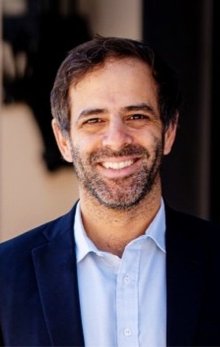
Alex Papo, Associate Director of Learning and Leadership Development at McKinsey, says leadership training has evolved from an isolated programme into an "ongoing expectation" for senior leaders at the firm.
According to Alex, the company's leaders frequently need to develop stronger prioritisation skills and the ability to anticipate future strategic workplace requirements. To address these needs, McKinsey brings in outside experts whom employees view as "credible and truly distinctive leaders."
The firm has drawn inspiration from unconventional sources, including Navy SEALs, to help leaders understand how professionals in high-stress environments approach decision-making under pressure. Alex says the consulting firm now incorporates breathing and grounding exercises to help employees make better decisions when facing intense situations.
Accelerating development across organisations
McKinsey has cultivated a learning culture that extends beyond senior leadership to all organisational levels. Employees receive continuous feedback and are presented with ambitious challenges designed to accelerate their growth.
Heather Stefanski, Chief Learning and Development Officer at McKinsey, told HR Brew that "the value proposition to our clients and the value proposition to our people is that we're going to accelerate everybody's development." She described the company as a "leadership incubator," where employees have the opportunity to learn and grow.
AI reshapes leadership demands
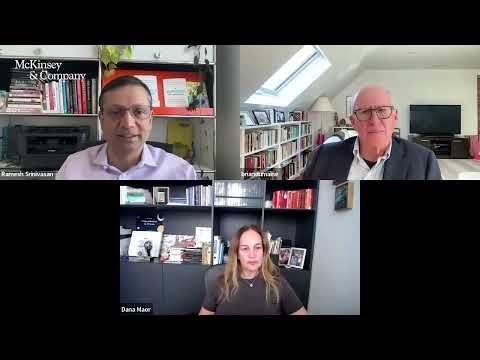
The integration of emerging technologies is fundamentally changing what senior leadership roles require. Alex says new tools such as AI are transforming these positions "at a rate we've never seen before."
Heather told Business Insider that leaders are now managing approximately 10 critical issues simultaneously, compared to four or five a decade ago. She added: "You add all the uncertainties around AI, and it's becoming more than just getting successors to the top, but raising the game on the whole leadership of the organisation."
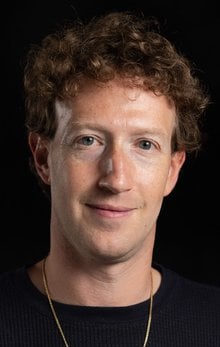
This transformation is evident across the technology sector. Mark Zuckerberg, CEO of Meta, has shared plans to develop an agent capable of supporting chief executive decision-making. The tool will assist Mark with information retrieval whilst reducing bureaucracy and accelerating employee operations.
Meta announced plans to double its spending on AI infrastructure, with Mark stating on an earnings call: "We're investing in AI-native tooling so individuals at Meta can get more done. We're elevating individual contributors and flattening teams. If we do this, then I think that we're going to get a lot more done and I think it'll be a lot more fun."


Executives
Alex Papo
Senior Partner Leadership Development
Heather Stefanski
Partner, Chief Learning and Development Officer
Mark Zuckerberg
CEO