
Paramount-Warner Bros. Merger Paused by US Judge

Following approval of the merger from shareholders in April, the US$111bn Paramount takeover of Warner Bros Discovery (WBD) has been temporarily blocked by a US federal judge.
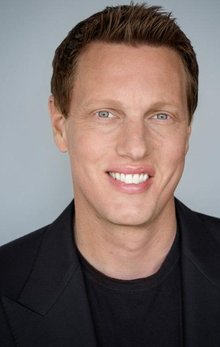
The decision to block the deal follows a lawsuit brought by a coalition of 12 US states designed to halt the deal over concerns it would harm competition, increase consumer prices and steer political influence due to Paramount CEO David Ellison’s connections to the Trump administration.
Prosecutors representing the 12 states say the merger would cause “substantial harm on movie theatres, basic cable distributors and ultimately, audiences nationwide”.
Counter to this, lawyers representing Paramount and WBD argue the states are misreading the market and that the takeover deal would actually improve streaming efficiency.
Judge Araceli Martinez-Olguin granted a 14-day restraining order after hearing arguments from both sides last week. During this period, neither party can finalise the deal or start joining the businesses together.
The merger’s impact on the US media business
The plaintiffs, led by California Attorney General Rob Bonta, sued to block the merger last week, arguing in a 38-page complaint that it would “extinguish” competition in Hollywood.
“The unlawful merger of these two entertainment behemoths would lead to higher prices, lower quality, and less content for film and television, harming movie theatres, basic cable distributors, and ultimately, audiences on every sofa and movie theatre seat in the US,” Rob argued in a statement alongside the court filing.
The coalition argues that the deal would harm the media business in three areas: wide-release theatrical film distribution; anticipated top-grossing movie distribution; and the market for distributing basic cable channels to cable and satellite companies.

On the Paramount-WBD side, lawyers pushed back on these claims, arguing that the states’ complaint is “wrong on both the facts and the law” and that the restraining order was “one of the weakest merger challenges in modern antitrust history”.
A spokesperson for Paramount commented on the case, saying: “We are confident the evidence will demonstrate that the state AGs’ antitrust arguments are without merit as their alleged markets and claims of anticompetitive effects are without any basis in modern market realities.”
Political influence on the media enterprise
Paramount currently owns several major media segments, including its historic film studio, the Paramount+ streaming service, the CBS broadcasting network and a collection of cable assets that include MTV and Nickelodeon.
In comparison, Warner Bros. owns a film studio, the cable brands CNN and HBO and intellectual property such as the Batman and Superman franchises.
The lawsuit against the merger has gained traction, becoming the biggest contender to challenge the deal since it was first proposed.
However, it is not the only hurdle in the merger’s way. The European Union’s antitrust segment is currently reviewing the transaction and British Cultural Secretary Lisa Nandy said she was considering intervening in the deal, citing concerns over concentrated ownership of media enterprises.
While many legal and business experts, as well as organised labour and consumer groups, have criticised the business impact of the deal, many have cited the merger’s political impact as a concern.
US President Trump considers the Ellison family as a key ally of the administration and has previously called for new ownership of CNN, a network President Trump has regularly criticised in the past.
Despite Paramount and WBD’s arguments on the beneficial impact of the merger, Judge Martinez-Olguin pushed back against both companies’ talking points, highlighting that “the public’s vital interest in antitrust enforcement” outweighed any temporary delay to the merger.
She added that both firms will continue to “operate as separate, viable companies competing in the marketplace” as legal proceedings continue.
Company portals

Executives
David Ellison
Chairman and CEO