Unilever CEO Dismisses Investor Concerns Over US$66bn Deal

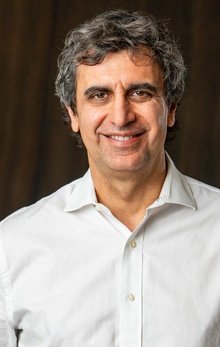
Following the decision to combine Unilever’s food business with McCormick, Unilever CEO Fernando Fernández has dismissed investor anxiety regarding “change fatigue” within the company.
The US$66bn deal between the two companies has seen investors vocalising concerns over the new company’s debt level and further organisational upheaval at Unilever weighing on its stock value.
The deal, which took place in March, saw Unilever’s share price drop 7%, which it is still yet to recover from.
“People say, are you under the risk of change fatigue?” Fernando said at Deutsche Bank conference this week. “I’m not paid to be lazy. Our people are not paid to be lazy.”
At the time of the announcement, Unilever said the combined business would create a food giant worth nearly US$66bn with annual revenues of US$20bn.
This strategic overhaul marks a turning point for Unilever, with Fernando pushing hard for changes in the company’s corporate culture following a period of slow growth under previous CEO Hein Schumacher.

Concerns over company restructuring
Speaking to investors and analysts at the conference, Fernando dismissed speculation over further restructuring after Unilever’s decision to spin off its ice cream business – now listed in the Netherlands as the Magnum Ice Cream Company – risked undermining performance.
“Great companies perform and transform simultaneously,” Fernando said. “Unilever has been perceived as slow and complex for a long period of time. And now people say, are you changing too fast?”
“Neither the board nor the leadership team was prepared to kick the can down the road or leave the issues to be sorted out later,” he added.
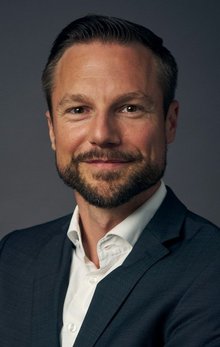
Several major shareholders have publicly stated their problems with the deal, with investors like Michael Illig, a portfolio manager for Unilever shareholder Flossbach von Storch, saying his biggest concern was that the deal brought another wave of restructuring after years of change.
“While hard to quantify, it just brings some uncertainty until mid-2027,” Michael says. “From the outside it is hard to judge the threshold at which too much change causes damage to employee morale and execution.”
Investor and shareholder anxiety
In terms of the deal, Unilever and its shareholders will own 65% of the combined group, while McCormick investors will control the remaining 35%. Unilever will receive US$15.7bn in cash, which it will use to support €6bn (US$6.97bn) of share buybacks across the next three years.
Despite Fernando’s optimism, shareholders from Unilever and McCormick are voicing their issues over the deal. Following the announcement, McCormick’s stock price fell 13%, on top of a 25% decline following the start of the Iran war.
Analysts from Bernstein have suggested that some Unilever shareholders were unhappy about the prospect of holding a new company with so much debt and were sceptical of its ability to lower its leverage to three times net debt within two years after closing.
“This is seen as a stretch too far for the generally more financially conservative Unilever shareholder," they say, "and the fear is that if there are execution mis-steps and/or unexpected external fundamental pressures, then leverage could quickly escalate as EBITDA shrinks.”
Executives
Fernando Fernandez
Chief Executive Officer
Michael Illig
Portfolio Manager