What a CEO Exit Means for UBS’s US$3.8bn Acquisition Plan

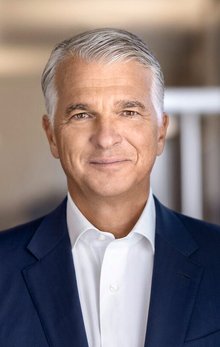
UBS CEO Sergio Ermotti announced he will be stepping down from the company leadership position, remaining at the helm of the bank until at least April 2027.
He has pledged to oversee the bank’s direction through a period of integration with its fallen competitor Credit Suisse, which UBS acquired in 2023.
Once one of Switzerland’s leading financial institutions, Credit Suisse failed in 2023 following a series of scandals, management issues and significant financial losses. At its peak valuation in 2007, Credit Suisse was worth CHF100bn (US$125bn).
UBS purchased Credit Suisse for CHF3bn (US$3.8bn) in an effort to strengthen the global banking system and prevent the latter company’s total collapse.
Discussing his departure at an event organised by the International Center for Monetary and Banking Studies, Sergio said: “I will stay at least until next year in April, and then we will take it from there.”
He is currently preparing to guide UBS through a new period of tougher banking regulations that Swiss authorities are set to enact, which will require banks to deduct their holdings in foreign subsidiaries from their core capital.
Regarding his future successor, Sergio says: “It's going to be a matter of choosing the person based on the current needs of the bank.”
While he has suggested a date for his departure, Sergio has hinted at potentially remaining in the role for longer.

Parliamentary discussions
The move to acquire Credit Suisse comes at a significant moment for UBS, which has been in discussion with the Swiss government over its plans to impose stricter capital requirements.
The ongoing dispute has prompted questions about whether UBS might consider relocating its headquarters abroad.
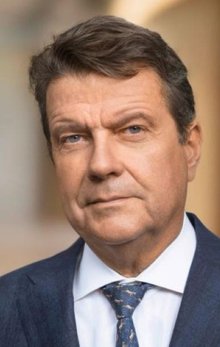
UBS Chair Colm Kelleher brought Sergio back into the CEO position at the bank shortly after UBS agreed to acquire Credit Suisse as part of a state-backed rescue deal in 2023.
Following Credit Suisse’s financial troubles, the government stepped in to broker UBS’s acquisition of Credit Suisse, a move done to stabilise the company and prevent economic fallout.
The Swiss government’s plans for broader financial safety measures have drawn widespread industry criticism, notably from UBS. In a company statement, the bank labelled the proposals “extreme,” arguing they would create capital requirements that are neither proportionate nor internationally aligned.
Speaking on a call with analysts in September 2025, Sergio said: “Our ultimate goal is to have a reasonable solution out of this political process so that we can continue to compete as a global bank out of Switzerland with our current business model.
“These proposals would unduly penalise UBS, which has operated without regulatory concessions and was in a position to credibly step in and rescue Credit Suisse, contributing to the stability of the Swiss and global financial system in March 2023.”
In response to UBS’s concerns, Swiss lawmakers have discussed the potential of a compromise on their capital requirement rules and suggested the legislation could be watered down before entering parliament for debate.
Search for the right candidate
Sergio says he will stay on to see UBS through the change in government regulations as well as the acquisition of Credit Suisse.
The exact date of his departure is yet to be confirmed and could still be adjusted by the company’s board of directors, with Sergio signalling his departure could come at the end of this year or the start of 2027.
It’s estimated that the hunt for a successor will accelerate ahead of the bank’s annual meeting next year, with the company highlighting several potential candidates ahead of the search.
Among those seen as potential successors is Aleksandar Ivanovic, Asset Management Chief, Iqbal Khan and Robert Karofsky, Co-Heads of Wealth Management, and COO Bea Martin.
“We are assembling the right candidates for the new leadership,” Ermotti said in an interview with Tages-Anzeiger. “As previously communicated, I will complete the integration of Credit Suisse and remain CEO at least until the end of 2026 or spring 2027.”
In an interview with Reuters, Sergio stated he wanted to “dramatically” increase the chances of an internal candidate succeeding him, although UBS may still consider external options.
Company portals

Executives
Colm Kelleher
Chairman of the Board
Sergio P. Ermotti
Group Chief Executive Officer