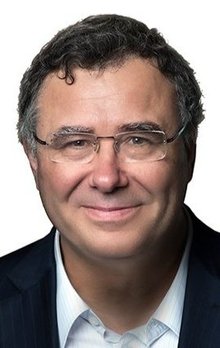
Why TotalEnergies' CEO is Wary of Trump’s Venezuela Plans

TotalEnergies CEO, Patrick Pouyanne, has spoken up about President Donald Trump’s proposal to get oil executives to join forces and invest in Venezuela’s energy market at Abu Dhabi Sustainability Week.
He emphasised that there needs to be a strict framework in place to make investment a possibility for the company. “People want to rush back, but it will require a clear framework to be able to invest there and it will take time,” the CEO explained.
Discussing the cost, Patrick added that to increase oil production in the company by “adding one million barrels per day, it will require US$100bn”.
This follows a meeting in the White House on 9 January, where President Trump presented his plan for US companies to invest at least US$100bn in the South American country’s oil industry.
Prior to this, US forces seized Venezuela’s leader Nicolas Maduro during a raid in the capital Caracas on 3 January.
Trump’s administration reportedly views control over the country’s oil as a key part of its strategy for the nation.
TotalEnergies' past investment in Venezuela
In 2021, the Orinoco Belt was the primary focus of Venezuela’s efforts to stabilise its collapsing oil industry.
According to S&P Global, it has an average output of approximately 550,000 barrels per day by December. Production has fallen significantly for many reasons including lack of investment, mismanagement, infrastructure decay and US sanctions.
TotalEnergies started investing in the South American country in the 1990s, but in July 2021, the firm announced that it had sold its 30.32% share in the Petrocedeño extra-heavy crude joint venture to Venezuela’s state oil company PDVSA.
This divestment aligned with TotalEnergies' strategy, approved by shareholders in May 2021, to focus new oil investments on projects with lower carbon intensity, which didn't match the heavy oil development in the Orinoco Belt.
This exit resulted in an exceptional capital loss of US$1.38bn for the oil giant in its financial statements, explaining Patrick’s caution.

Patrick’s counterparts at other firms show caution
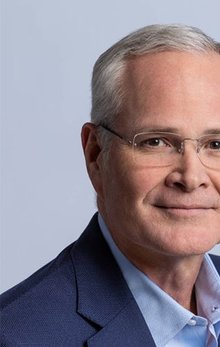
During the meeting at the White House, ExxonMobil CEO Darren Woods expressed similar concern.
Although the firm has a history of investing in challenging environments, including tropical regions and even the Arctic, but discussing the South American country, Darren said: “Today it’s uninvestable.”
He added: “We have had our assets seized there twice and so you can imagine to re-enter a third time would require some pretty significant changes from what we’ve historically seen and what is currently the state.”
Trump was unimpressed by the CEOs statements, telling reporters on Air Force One: “I didn’t like Exxon’s response. I’ll probably be inclined to keep Exxon out.
“I didn’t like their response. They’re playing too cute.”
By “keep Exxon out”, the President is referring to his statement that his administration would decide which firms would be allowed to operate, stating: “You’re dealing with us directly. You’re not dealing with Venezuela at all. We don’t want you to deal with Venezuela.”
Without a clear competitive fiscal framework or physical security, it is yet unsure whether ExxonMobil and TotalEnergies will take the plunge to re-enter the Venezuelan oil market.
Company portals


Executives
Darren Woods
CEO
Patrick Pouyanné
Chairman and CEO