Anthropic CEO and Tech Executives Call for US AI Coalition
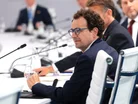
Anthropic CEO Dario Amodei and other tech executives have called for a US led coalition to establish regulatory frameworks around AI use during a meeting with President Donald Trump and several other industry tech leaders.
The meeting took place at the G7 summit in Évian-les-Bains, France and saw Dario discuss a proposed international cooperation on AI, with the US leading the initiative.
The proposal would help protect against risks associated with the technology according to two attendees of the summit. The two stated they were not authorised to discuss further details of the meeting.
Agreeing with the two tech leaders, Canadian Prime Minister Mark Carney agreed that the US should lead the AI coalition.
The meeting follows the release of increasingly powerful AI models that house abilities so advanced that industry experts have raised concerns that they could cause major disruptions and potentially disasters if placed in the wrong hands.
Recently, Anthropic disabled access to its newest models – Fable 5 and Mythos 5 – after the US government suspended access to the models, citing national security concerns.

AI cooperation among global nations
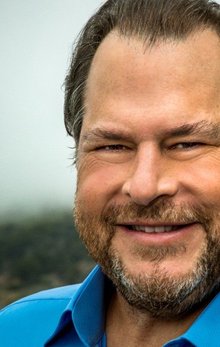
Alongside Dario, OpenAI CEO Sam Altman also attended the meeting. Other tech executives from major firms attended, such as Cohere CEO Aidan Gomez, Salesforce CEO Marc Benioff and ScaleAI CEO Alex Wang. Several leaders from G7 countries were also in attendance.
Additionally, President Trump, Secretary of the Treasury Scott Bessent, Secretary of Commerce Howard Lutnik and Secretary of State Marco Rubio attended, representing the US government.

In his address, Dario said that areas of international cooperation should include structured access to frontier models and trade of chips and critical components that excludes China.
He added that countries should cooperate to address the risk of AI in cyber, bioterrorism and areas of intelligence.
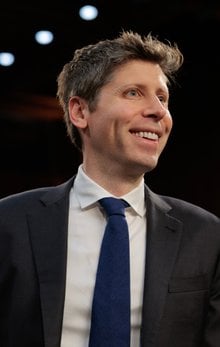
Following Dario’s comments, Sam called for an “an international forum for discussion that establishes globally accepted standards for testing, provides expert and impartial analysis of capabilities and risks, and serves as a venue for cooperation among nations”.
In May, OpenAI announced that GPT-5.5, a version of its latest model, was rolling out in a limited preview capacity to specially-selected cybersecurity teams.
OpenA’s Global Affairs Chief Chris Lehane, who was also present at the meeting, said non-US leaders in the room acknowledged that the country “certainly could play the lead role in working to establish” standards around AI.
Government access to AI models
The ban on Anthropic’s AI models has raised concerns among industry figures and foreign governments that actions implemented by the Trump administration could dictate who can use leading AI models.
The US government is yet to fully publicise its concerns over the technology’s potential conflict with national security.
Several industry analysts say the administration’s move to limit foreign access was an overreaction as other publicly-available models have similar capabilities.
Reflecting on the government’s concerns, Sam called for an international forum to settle on “globally accepted standards for testing” and “impartial analysis” of AI risks, adding that “it is crucial that we do not allow the risks of this technology to lead to undue concentration of power”.
Company portals






Executives
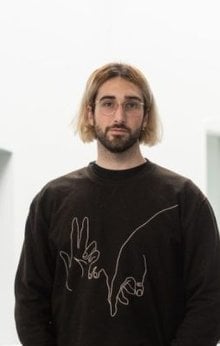
Aidan Gomez
CEO
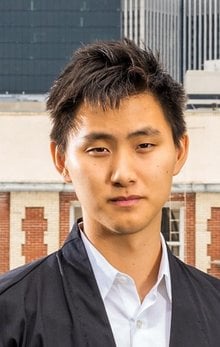
Alexandr Wang
Chief AI Officer

Dario Amodei
CEO and Co-Founder
Marc Benioff
Chair & CEO
Sam Altman