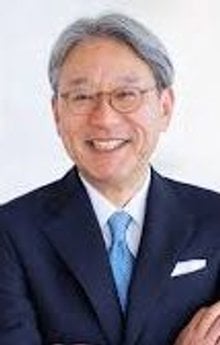
Can Honda CEO Toshihiro Mibe Halt Slump After EVs U-Turn?

Honda Motor Co. is undergoing a significant organisational shift under the leadership of its CEO, Toshihiro Mibe, as the company revealed its 2025 accounts, including a first-ever annual loss.
The company has decided to cancel the development and market launch of three EV models planned for production in North America. Toshihiro said: "The outlook is very challenging. However, we would like to explain the circumstances leading to this management decision and the future direction for rebuilding the mid- to long-term strategy for our automobile business."
This management decision follows a slowdown in the EV market and declining competitiveness in Asia. Honda expects to record substantial financial losses, but says it is is committed to rebuilding its strategy.
Toshihiro said: "What is expected of the Honda management team now is not to justify the past, but to face this reality squarely."
Protecting brand value through difficult decisions
The cancellation of the Honda 0 series and the Acura RSX was described by Toshihiro as a decision made to prevent long-term damage.
He said: "We made this decision with a heavy heart, believing that introducing these three models to market without an outlook for business viability may lead to an early discontinuation of production, which could cause a concern and inconvenience to our customers as a result of potential damage to the value of the Honda brand."
Moving forward with production would likely have resulted in further losses, he added.
By taking this decision now, Honda aims to avoid potential brand devaluation. This strategic move allows the company to focus on its solid earnings base. Toshihiro emphasized: "Honda made the decision with a strong determination that taking initiatives toward the realisation of carbon neutrality is a responsibility Honda, as a mobility company, has to take."

Responding to a dramatically changed environment
The business environment surrounding Honda has changed at a speed exceeding expectations. Toshihiro highlighted the shifts in major markets when he said: "First, in the US, as you know, the easing of environmental regulations and the discontinuation of EV incentives have significantly slowed the growth of the EV market, and we expect this trend to continue for the time being.
"In contrast, the EV market has expanded in China. However, product launches, electrification and application of more intelligent technology have progressed at a speed beyond our expectations."
Toshihiro said newly imposed tariffs have negatively impacted the profitability of gasoline and hybrid models.
He was honest about the challenge: "We recognise that our automobile business has fallen into an extremely challenging earnings situation due to various factors, including our inability to respond flexibly to these changes."
Prioritising business viability over past justifications
Toshihiro said that the role of the management team is to transition the business to a more resilient structure.
He said: ""It is regrettable that we have to record such a large amount of loss this time. However, what is expected of the Honda management team now is not to justify the past, but to face this reality squarely and transition our automobile business to a structure that enables mid- to long-term growth."
Electrification remains a challenge that must be balanced with profitability, he said, while future EV models will now be implemented more flexibly.
Toshihiro assured stakeholders: "We take this decision very seriously, and we will address each affected suppler and partner individually and with due care."
Reallocating resources to core focus countries
Honda is reorganising its regional strategy to focus on Japan, the US and India, according to Noriya Kaihara, Honda EVP.
He said: "As part of our regional strategy, we will strengthen our initiatives in India, where market expansion is expected, by designating it as a ‘focus country’ along with the US and Japan."
In North America, the focus will shift toward new hybrid models to accommodate high demand and mitigate the impact of tariffs. Noriya explained: "In light of this change in resource allocation, in addition to the existing plans, we are planning to introduce new hybrid models toward the second half of the 2020s."
Aligning investment with profitability and scale
To strengthen the business , Honda will establish a fixed-cost structure appropriate for its scale through disciplined controls. Noriya said.
"Based on prioritisation that reflects both strategic importance and profitability, we will be more selective and focused in making investments," he added.
Despite the recording of large impairment losses, the company estimates that operating profit would remain at 1 trillion yen if non-recurring losses were excluded. Noriya said: "By increasing the competitiveness of our products and improving the model mix, we will strengthen our earnings structure in terms of both volume and profitability."
CEO's speech in short
Toshihiro said:
- While Honda remains committed to carbon neutrality by 2050, the business environment has changed at a speed far exceeding expectations
- The easing of US environmental regulations and the rise of newer manufacturers in China are primary factors
- Introducing the Honda 0 SUV, Honda 0 Saloon and Acura RSX without business viability could damage the brand value
- He takes responsibility for the decision, adding that management must face reality rather than justify the past
- Demand for EVs is currently declining but this trend is not permanent
- Honda will address each affected supplier with care and rebuild its strategy to ensure that, when demand resumes, the company will offer compelling products unique to the brand.