
Elon Musk Named as World’s First Trillionaire
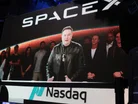
CEO and founder of SpaceX, Elon Musk has been officially named the world’s richest man, amassing a total net worth of US$1.1tn.
The announcement comes after SpaceX’s long-awaited IPO announcement, which saw it listed on the stock market with a value of US$2.2tn.
SpaceX says its shares would be offered at US$135 each, but trading opened at US$150 and briefly reached US$176.50 after investors were quick to show interest in working with Elon and investing in the AI firm.
The company closed last week with a final share price of US$161.
SpaceX’s IPO raised US$75bn from investors and underwriters of the deal before shares of the company hit the open stock market on Friday.
With a 42% ownership stake, Elon effectively has control over all company operations, including what it chooses to invest in.
Elon’s shares in SpaceX were worth US$767.1bn after trading closed last week. In addition to this amount, he holds US$53.8bn in SpaceX options and also US$168bn in Tesla shares and US$116.4bn in Tesla options.

Fuelling SpaceX’s growth strategy
SpaceX's valuation is based on investor optimism about its potential future earnings, as opposed to its own financial earnings evidence.
The company is currently not yet profitable, meaning it loses more money from its operations than it makes. It lost more than US$9bn in 2025 and 2026 so far due to its huge spending on AI and other infrastructure investments.
The largest focus of the SpaceX business is the manufacture and launch of rockets with reusable parts.The firm also manufactures and launches Starlink internet satellites and following its acquisition of Elon’s xAI, SpaceX also ventured into the AI industry.
SpaceX has said it will use the money to “fuel its growth strategy” around rockets, satellites for its Starlink internet service and AI, in addition to its potential plans to build data centres in Earth’s orbit.
Laffer Tengler CEO Nancy Tengler, who put in an order to buy shares of SpaceX, says the company's AI business is a “cash incinerator” despite Musk's ambitions.
“It's important to take some of the projections with a grain of salt,” Nancy says. She adds that despite her cautions, she’s investing into the company for its long-term potential, saying: “Our investment horizon is three, five and even 10 years.”
Discussing its plans for future growth in a statement, SpaceX says that its growth and success is based in large part on the development of building a “lunar economy”.
The company aims to transport people and cargo to the moon and Mars – something that would need a strong and sustainable economy to operate. However, SpaceX also admits this is an ambitious and potentially distant business venture.
“Many of our initiatives… involve significant technical complexity, unproven technologies or technologies that do not exist, and such initiatives may not achieve commercial viability,” SpaceX said in a company prospectus.
Extra-terrestrial ambitions
Despite these uncertainties, several investors stood by their decision to buy shares in SpaceX.
Susannah Streeter, Chief Investment Strategist at Wealth Club said the share price jump was “indicative of huge interest in Elon Musk's vision”.
“He has long been reaching for the stars with his extra-terrestrial ambitions, and it appears plenty of investors share his enthusiasm for the future,” she added.
However, she added that the enthusiasm was “being driven as much by hype and scarcity as fundamentals”.
While many individual investors were eager to buy shares in the company, others have highlighted their concerns over future pricing.
“The question on SpaceX is less about the immediate trading after IPO,” said Samel Kerr, Head of Global ECM for Mergermarket. “It's more about how the price holds over the longer term.”
Company portals

Executives
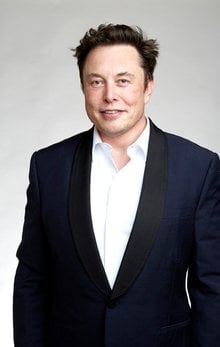
Elon Musk
Tesla CEO
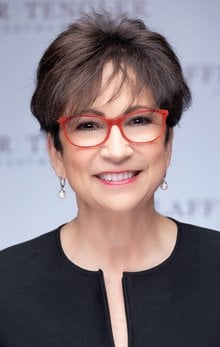
Nancy Tengler
CEO
Susannah Streeter
Chief Investment Strategist