HSBC CEO May Consider 20,000 Job Cuts as AI Reshapes Banking

HSBC could be looking to reduce its headcount by around 20,000 roles over the next three to five years, representing approximately 10% of its workforce. The potential cuts reflect a broader shift across the banking sector as artificial intelligence reshapes operational requirements and leadership strategies.
According to reports from Bloomberg, the cuts would focus on non-client-facing roles, with sources familiar with the matter suggesting the bank anticipates AI will decrease its workforce needs. Some reductions could come from business sales or natural attrition, though discussions remain in early stages.
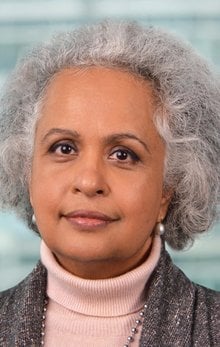
While HSBC has not officially commented on the rumoured cuts, Pam Kaur, Chief Financial Officer, addressed the bank's approach to staffing at a Morgan Stanley Press Conference. According to comments seen by S&P Global Market Intelligence, Pam tells attendees the bank was focusing on "staff related inflation."
She said: "The real shift where we are doing in terms of our investment is really trying to drive operating leverage whether it's by focusing on scale businesses or indeed focusing on the benefits we can get through AI, whether it's on better productivity around the revenue line or just the cost benefit.
"We want to be able to shift the run-the-bank cost to more change the bank."
Structural transformation at HSBC
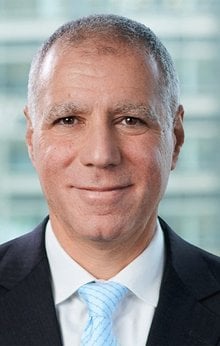
Georges Elhedery, CEO of HSBC, has significantly changed the way the company operates since taking charge in 2024. His approach has centred on reorganising divisions, selling business units and reducing headcount to create what he describes as a "simpler, more dynamic, agile structure at HSBC" that could "fast forward our plans to execute our strategic priorities."
The strategy appears to be delivering results in terms of operational efficiency. The bank employed around 220,000 people at the end of 2023, a figure that has since fallen to 210,000. This includes a reduction in senior leadership roles, with Georges previously telling Bloomberg's Leaders with Lacqua programme that he wants senior executives to have more ownership and accountability.
He said this move allowed the company to go "from 0% single accountability... to now about 60% of our revenue is generated under single accountability. That's important."

Banking leaders confront AI disruption
HSBC's potential workforce reduction reflects a wider trend among banking leaders grappling with AI's operational implications. Citigroup announced plans in early 2024 to cut around 20,000 jobs over a two-year period to eliminate layers of bureaucracy. By early 2026, the company had reduced its workforce by 10,000 people.
Jane Fraser, CEO of Citigroup, tells the Washington Post: "AI has the potential to make tremendous changes.
"It's going to create huge numbers of new jobs that we can't even imagine what they are today. It will change the nature of what people do every day … And it will take some jobs away."
Preparing workforces for technology shifts
JPMorgan Chase is also looking at structural changes under CEO Jamie Dimon. At the company's annual investor day in January, Jamie told shareholders the bank has "huge redeployment plans" for its people as it increases AI adoption.
He said: "We spoke about it today, and we have to up that a little bit so we can take people who are displaced – and we have displaced people from AI – and we offer them other jobs."
Jamie urged business leaders to ensure they are prepared for workforce disruption as AI investments rise, emphasising the need for proactive planning rather than reactive measures.
He says: "I'm not predicting [it] can be a problem. I'm simply saying now's the time to start thinking about what you do if it does."
Company portals



Executives
Georges Elhedery
Group CEO
Jamie Dimon
Chairman of the Board
Jane Fraser DBE
Chief Executive Officer
Pam Kaur
Group Chief Financial Officer