Inside Rolls-Royce+ CEO Chris Brownridge's New EV Strategy

In a significant strategic shift that mirrors a broader cooling in the global EV market, Rolls-Royce Motor Cars is stepping back from its commitment to eliminate the use of its V12 internal combustion engines (ICE) by 2030.
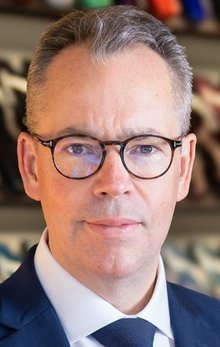
The move, set out by CEO Chris Brownridge, signals a return to "client-led" manufacturing, with the CEO citing the relaxation of regulatory and legislative targets and customer demand.
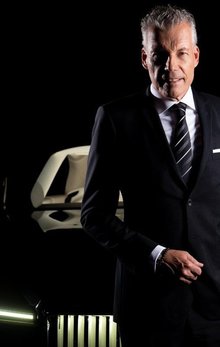
The original ambition, set in 2021 by former CEO Torsten Müller-Ötvös, positioned the BMW Group-owned marque as a pioneer in the ultra-luxury transition to battery electric vehicles (BEVs).
However, as the automotive landscape shifts and infrastructure hurdles remain, Chris is now steering the 120-year-old brand toward a more flexible, dual-track production model.
Strategic realignment in a shifting landscape
In an interview with The Times, Chris noted that while the company’s 2030 pledge was "right at the time," the global business environment has evolved.
"The legislation has changed," he stated. "That prediction was based on a different set of circumstances."
Rolls-Royce isn’t alone in shifting its electric goals and ambitions, with other automotive giants including Bentley, Mercedes-Benz and Porsche all recently tempering their electrification timelines in response to sluggish consumer adoption and shifting government mandates.
For the luxury British marque, however, the decision is as much about heritage as it is about hedging against market volatility.
"We recognise some clients would rather have a V12 engine," Chris added, emphasising that the iconic powertrain remains a cornerstone of the brand’s identity.
"For every client that loves an electric vehicle, there is one who does not. We build what is ordered."
Inside the V12’s resurgence
The strategic course correction is supported by BMW Group’s 2025 performance data, which highlights a contrast between EV sentiment and actual luxury purchasing habits.
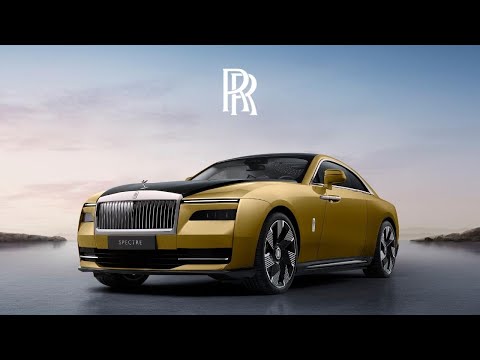
While the Rolls-Royce Spectre – Rolls-Royce’s first all-electric model released in 2022 – was initially hailed as a milestone for the brand, deliveries for the flagship EV fell 47% year-on-year, dropping to 1,002 units in 2025 from 1,890 in 2024.
Conversely, the appetite for traditional high-displacement engines is surging.
Deliveries of the ICE-powered Ghost V12 rose by 22.9% in 2025, while the Cullinan SUV – powered by the same V12 architecture – remained the brand’s undisputed volume leader with 5,664 units delivered globally.
The luxury EV dropoff
The challenges facing Rolls-Royce are reflective of a wider trend identified by McKinsey & Company.
According to its Luxury Automotive Survey, 19% of high-net-worth individuals state they will never purchase a luxury EV.
The primary deterrent for this demographic is not performance or range, but the "unclear residual value" of used electric vehicles – a critical concern for assets intended to be passed down through generations.
While McKinsey reports higher openness toward luxury EVs in Asia (50%), the figures drop significantly in the EMEA (36%) and Americas (33%) regions.
For a C-suite executive or a private collector, the long-term value proposition of a V12 engine currently outweighs the rapidly depreciating technology of first-generation luxury BEVs.
Future-proofing the marque
Despite the retreat from a 2030 total phase-out, Chris maintains that the Spectre remains a vital component of the portfolio, describing it as the "most successful coupé launch to date”.
However, the message to the market is clear: Rolls-Royce will no longer allow a calendar date to dictate its engineering roadmap.
By pivoting from a fixed 2030 deadline to a demand-driven production model, Rolls-Royce is effectively hedging against infrastructure volatility and the "residual value chasm" currently impacting luxury EVs. 7
Maintaining the V12 engine alongside the Spectre allows the brand to preserve its heritage and asset liquidity while remaining agile enough to follow future changes and market flexibility.
Company portals

Executives
Chris Brownridge
Chief Executive Officer at Rolls-Royce Motor Cars
Torsten Müller-Ötvös
Founder