
How 55 Leading Fashion CEOs are Accelerating Sustainability

A coalition of more than 55 fashion CEOs, The Fashion Pact, has initiated a new programme with brands including CHANEL, Kering, Moncler Group and Prada Group.
The Pact’s European Accelerator is designed to harmonise supplier data, build supplier capacity and unlock finance to support sustainability efforts.
This comes as a report from TEHA Group, Just Fashion Transition 2025, estimates that €4.4bn (US$5.09bn) is required by 2030 for the European fashion sector to achieve its decarbonisation targets.
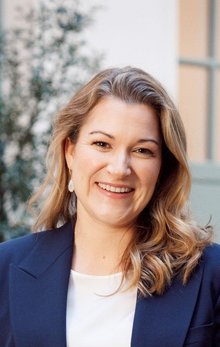
Eva von Alvensleben, Executive Director and Secretary General of The Fashion Pact, says: “This level of collective commitment marks an important step forward for our industry. By encouraging harmonised environmental data practices, we are not only strengthening the quality and consistency of sustainability data, but also reducing the reporting burden on suppliers.
“This approach streamlines oversight across the value chain and will help brands to accelerate decarbonisation strategies. It demonstrates the power of collective action in creating systemic change.”
Standardising environmental data collection
To address the administrative load of sustainability reporting The European Accelerator has developed a new questionnaire for fashion suppliers.
This focuses on gathering energy, water and waste data and has undergone a six-week test period with 74 suppliers in Italy, with input from the Camera Nazionale della Moda, the National Chamber for Italian Fashion.
Developed with the BCG company Quantis, the questionnaire is now available for all fashion brands to use on an optional and non-exclusive basis. It is currently in use with several suppliers and is set to be rolled out further and updated regularly by a technical committee.
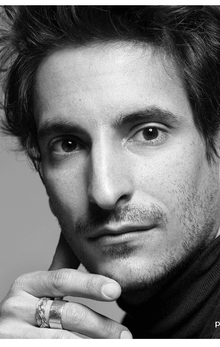
Lorenzo Bertelli, Chief Marketing Officer & Head of Corporate Social Responsibility at Prada Group, explains: “The European Accelerator is a strategic step forward for our industry.
“By establishing a harmonised framework for environmental data collection, it facilitates more consistent and reliable reporting, while also reinforcing our shared commitment to support the value chain. The Accelerator demonstrates the importance of collective action in accelerating the sector's transition to more sustainable practices.”
From a supplier’s perspective, the new approach could offer several benefits. Lucia Mantero, Product Development Director of Mantero, explains: “Taking part in the European Accelerator pilot questionnaire has been very valuable for us.
“Before, every brand asked for environmental data in a different way — now we can share one consistent set of figures, saving time and improving reliability. The clearer questions help us provide more accurate information and see where we can improve.
“Most importantly, this shared approach strengthens collaboration and trust between suppliers and brands, making sustainability progress more meaningful.”
Overcoming financial barriers in supply chains
Many luxury brands have concentrated their production in Italy.
According to TEHA Group’s Just Fashion Transition 2025 report, economic pressures such as high debt ratios are making required investment levels unaffordable for around 58% of suppliers.
This creates a significant obstacle to the €4.4bn (US$5.09bn) investment needed by 2030 for the European fashion sector's decarbonisation goals.
The accelerator programme addresses this by working to create pathways for suppliers to access the investment needed for cleaner technologies.
It is thought that the questionnaire’s simplified reporting process could help increase capacity-building efforts among suppliers and identify opportunities for efficiency improvements and the adoption of renewable energy.
Collective CEO action for industry change
The Fashion Pact was first launched as an initiative by French President Emmanuel Macron and co-founded by François-Henri Pinault, formerly Kering’s CEO and Paul Polman, former Unilever CEO.
It has grown to include more than 55 CEOs from approximately 160 brands across 20 countries, representing a third of the fashion industry by volume.
The coalition is governed by an elected committee of 15 CEOs from companies including Tapestry, H&M Group and Ralph Lauren, with decisions informed by an Operations Committee of 24 Chief Sustainability Officers from firms such as Farfetch, Moncler and J.Crew Group.
Edoardo Zegna, Chief Marketing and Sustainability Officer at Ermenegildo Zegna Group, says: “To achieve real progress within our sector, we must work together to find shared solutions to common challenges.
“With the European Accelerator, we’ve been able to strike a good balance between the need of brands to get robust environmental data, and the effort of suppliers to provide it.
“Trust, open discussions and willingness to find a common ground are the key enablers of this initiative. By adopting a harmonised approach, we can encourage the integration of this questionnaire to all the brands of our sector.”
Company portals





Executives

Edoardo Zegna
Chief Marketing and Sustainability Officer
Eva von Alvensleben
Executive Director Sustainability and Secretary General
Lorenzo Bertelli
Chief Marketing Officer & Head of Corporate Social Responsibility
Paul Polman
Co Author