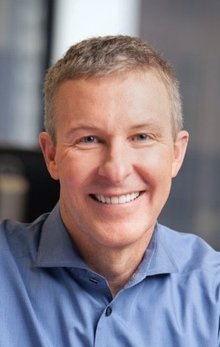
United Airlines CEO: Our Culture-First Hiring Strategy

United Airlines CEO Scott Kirby has revealed an unconventional approach to hiring that prioritises cultural fit over traditional qualifications.
According to Scott, ensuring potential employees will be well liked within the organisation has become a key consideration in the company's recruitment strategy.
In an interview with McKinsey & Co CEO Bob Stenfels, Scott explained how United Airlines has developed a new method to assess whether candidates align with the company's cultural values. The approach involves enlisting the help of existing employees who exemplify the organisation's desired characteristics.
Scott worked with the company's head of flight operations to "select a dozen of our pilots who were well liked by everyone" to help evaluate prospective talent.
"I told this group of pilots, 'Your job is just to assess: Is this interviewee someone I would like to take a four-day trip with? And if you say no, then they're out. You get a veto vote,'" he says. "The idea is to pick people who care about others, who you want to hang out with, who you want to be with."
As of 2026, United Airlines has more than 113,000 employees – an increase of nearly 6,000 from 2025.
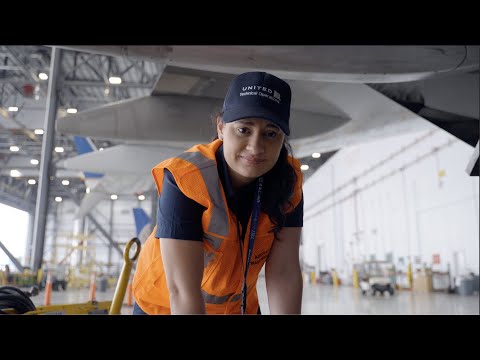
Culture drives retention decisions
The emphasis on cultural alignment reflects a broader shift in how organisations approach talent acquisition and retention. Findings from EY's US Generation Survey indicate that 60% of professionals say workplace culture influenced their decision to stay with their current employer, while nearly half of Gen Z and millennial employees say they want to work for a company that reflects their beliefs.
Scott's approach is not unique among C-suite leaders. Luis von Ahn, CEO of Duolingo, revealed on the Burnouts podcast that he pays taxi drivers to assess candidates on their way to interviews. According to Luis, "if they're going to be mean to the driver, they're probably going to be mean to other people, particularly people under them". This method has influenced significant hiring decisions, including the choice not to hire a potential CFO because "it turned out that they were pretty mean to their driver from the airport to the office".
Navigating competitive talent markets
The focus on personality assessment comes as hiring teams face increasingly competitive talent pools. Scott shared in the interview that United Airlines can receive 75,000 applications in just a few hours when hiring for flight attendant roles, requiring more sophisticated evaluation methods.
Research from LinkedIn found that the number of applicants per open role in the UK has doubled since spring 2022. This surge in applications has coincided with longer recruitment timelines, with the average time taken to fill a role rising to between 63 and 68 days, according to Corporate Navigators.
Technology reshaping workforce planning
The competitive hiring landscape has been influenced by organisations adopting artificial intelligence for tasks previously performed by humans. Challenger, Gray & Christmas reported that companies announced 54,000 AI-related layoffs in the US in 2025.
United Airlines shared on a 2025 Q3 earnings call that its use of AI has eliminated around 4% of its headquarters workforce, with further reductions possible in future. This AI strategy involves the technology taking over tasks such as data entry, analytics preparation and internal reporting.
Company portals


Executives
Luis von Ahn
CEO, co-Founder & Board Member
Scott Kirby
CEO