What Zillow's CEO Looks for in C-Suite Candidates

In the competitive landscape of executive leadership, the ability to demonstrate strategic foresight and preparation is vital. Jeremy Wacksman, CEO of Zillow, describes some of the biggest mistake he sees prospective candidates for C-suite roles making in interviews.
In an interview with CNBC, Jeremy says that candidates are not properly researching the companies they are interviewing beforehand. This lack of preparation could suggest a lack of engagement with the deeper strategic goals of the organisation.
When engaging with high-level talent, Jeremy says that expectations are significantly higher regarding background knowledge.
He says: “I’m mostly talking to executive hires at this point. An obvious red flag is if they haven’t done their homework, which still kind of surprises me.
“I’ll talk to folks who are coming in for senior roles, and they’re asking pretty basic questions that you could answer in 10 minutes on Google or 30 seconds in Gemini.”

Identifying leaders for transformation
When it comes to hiring for C-suite and senior leadership roles, Jeremy says he seeks out candidates who have “thought deeply about the role they’re coming in for. And have thought deeply about what they would add to the job”.
Hiring employees and senior leaders that can think deeply about their work is of particular importance for the company aims to transform its operating model by digitising fragmented processes into what it refers to as a comprehensive “housing super app”.
This strategic pivot requires leadership that understands the complexities of digital transformation. The company is making significant investments in its AI capabilities to achieve this, and is focused on hiring AI-ready talent.
As the company scales up these hiring efforts, it has further integrated AI into its recruitment function. Zillow has six AI recruitment tools in place, which are a combination of vendor tools and in-house solutions that its recruitment teams have helped develop.
While technology plays a role in identifying talent, the company has stressed that these tools are not replacing human insight. The leadership focus remains on human judgement for critical decisions.
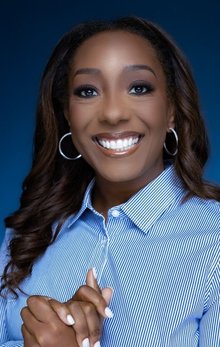
In a conversation with HR Brew, Roz Harris, Vice President of Talent Acquisition and Engagement and Belonging at Zillow, says that the company has a set of best practices for the use of AI in hiring – avoiding tools that will take away from human decision making.
This approach ensures that while efficiency is improved, the quality of the leadership selection process remains high.
Roz says: “I’ve been around for a while, and so has my leadership team. We kind of always knew we didn’t want AI to make decisions. We stayed away from tools and things that did that.”
Assessing candidate leadership potential
Jeremy tells CNBC that, when judging whether a candidate is suitable for a role, he will often assess them based on the types of questions they ask.
This, he says, allows him to see how “their passion and their interest” align with the job. The candidates who ask “bespoke” questions highly relevant to the position they are applying for, Jeremy says, can best demonstrate they understand the job well.
This approach to vetting executive talent aligns with broader industry trends where clarity of thought is prioritised. Building a senior leadership team that closely understands the needs of a role from day one is crucial for business success, according to Microsoft CEO Satya Nadella.
In an interview with Chicago Booth Magazine, Satya says that, while many teams will look to hire intelligent, skills-ready talent, he believes the most important trait to look out for when hiring senior leaders is someone who can understand the business landscape and navigate through uncertainty.
He says: “The most important attribute that any leader needs to have – and it is often underestimated – is the need to create clarity when none exists.”


Executives
Roz Harris
VP, Talent Acquisition and Engagement & Belonging
Satya Nadella
Chairman and CEO