Uber CEO Signals Robotaxi Push As a Trillion-Dollar Business
Gone are the days of small talk with taxi drivers. Now, customers face the very real prospect of being in a car completely on their own, all thanks to robotaxis.
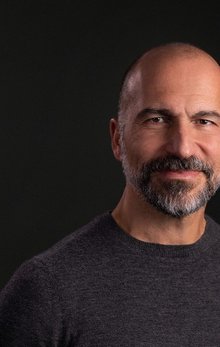
According to Uber CEO Dara Khosrowshahi, there will be a surge in these autonomous vehicles in the future. In a Bloomberg interview published on 12 December he said that robotaxis offer a “trillion-dollar-plus” business opportunity.
He recognised Asia as a huge growth market, saying: “I expect to be in 10 plus markets by next year. And we want those markets to be in the Asia-Pacific region as well.”
Uber already has self-driving vehicles in the US and the Middle East, but he suggested that Hong Kong and Australia are markets for potential robotaxi services, explaining: “With an aging population, there’s a real need for transportation, not just in the large cities but in the rural areas.”
Telling Bloomberg that his firm now works with more than 20 autonomous vehicle partners, including China’s Baidu, WeRide, Pona.ai and Waymo, Dara added: “We will have access to autonomous technologies in the large cities and markets that really count.”

Development in the US
With the autonomous race heating up, Uber announced at the start of December another city on its list, Dallas - the largest city yet to get robotaxis on Uber.
The firm said that users in the city can now access self-driving vehicles developed by startup Avride, using the development company’s technology in Hyundai Ioniq 5 EVs.
The cars will initially include human monitors in the driver’s seat, with fully driverless operations coming “sometimes in the future”, according to Uber.
Dallas is the third US city in which Uber has launched autonomous options, with the firm also partnering with Waymo in Austin and Atlanta.
Robotaxi regulations
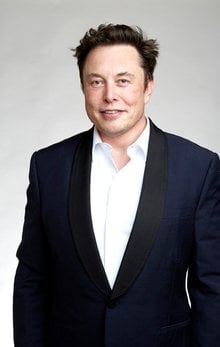
Also competing in the US market is Elon Musk, whose Tesla robotaxis are currently available in Austin, Texas and the San Francisco Bay area. At the end of November, the Tesla CEO said on X: “The Tesla Robotaxi fleet in Austin should roughly double next month.”
Elon said in October that he expected robotaxis to operate without safety drivers in large parts of Austin this year and that robotaxis would be operating in eight to 10 metropolitan areas by the end of the year.
The California Public Utilities Commission (CPUC) is drafting new rules governing robotaxi passenger services and has invited companies, including Tesla and Uber, to comment.
In comments filed with the regulator in November, Tesla pushed back against a proposal backed by Waymo that could require Musk’s company to disclose more data about its ride-handling.
Tesla currently lacks the necessary permits to offer fully driverless rides in California, so its Bay Area EVs have safety drivers who monitor Tesla’s assisted driving system, called Full Self-Driving. The firm also has human safety drivers sitting in the passenger seat for its Austin service.
Elon’s firm disputed Waymo’s suggestion that operators who offer ride-hailing services with advanced driver assistance systems, handling some actions autonomously but require human supervision, should be required to submit quarterly reports detailing:
- Number of miles travelled
- Passenger trip time
- Information about collisions and other incidents
Currently, Tesla’s ride-hailing service in California doesn’t report this information, while operators like Waymo have to.
With a market of its size, Dara says that the autonomous driving area is unlikely to be a “winner-take-all” industry, adding that it’s an “exciting technology but there are many players getting to the finish line”.
The CEO said: “We just have to make sure that the players that we work with are safe and that again, we’re working with the regulators in a constructive manner.”


Executives
Dara Khosrowshahi
CEO
Elon Musk
Tesla CEO