How Netflix’s US$82.7bn Warner Bros. Deal Changes Streaming
Netflix and Warner Bros. Discovery (WBD) have announced that Netflix will acquire Warner Bros. with the total enterprise value at US$82.7bn.
The agreement, announced on 5 December, includes the film and television studios HBO and HBO Max and, according to Netflix, brings together “two pioneering entertainment businesses, combining Netflix’s innovation, global reach and best-in-class streaming service with Warner Bros.’ century-long legacy of world-class storytelling."
In a note to employees, WBD CEO David Zaslav’s said: “This decision reflects the realities of an industry undergoing generational change - in how stories are financed, produced, distributed and discovered - and recognises the strong, transformed company we are today, the significant value we have created and the attractiveness that now position us in a rapidly evolving marketplace.”
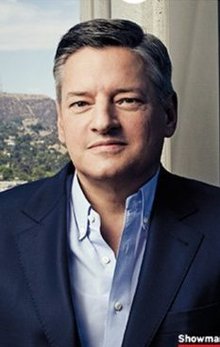
Ted Sarandos, Co-CEO of Netflix, said in a statement at the time of the announcement: “By combining Warner Bros.’ incredible library of shows and movies - from timeless classics like Casablanca and Citizen Kane to modern favourites like Harry Potter and Friends - with our culture-defining titles like Stranger Things, KPop Demon Hunters and Squid Games, we’ll be able to do that even better.”
Inside the US$82.7bn deal
Netflix announced that the deal aims to offer more choice, more opportunities and more value, with its other co-CEO Greg Peters saying: “This acquisition will improve our offering and accelerate our business for decades to come.”
By adding the film and TV libraries and HBO and HBO Max programming, the streaming service says members will have even more high-quality titles to choose from and will optimise plans and viewing options.
From an entertainment industry perspective, the firm also says the acquisition will allow the company to expand US production capacity and continue investment in original content.
By offering members a larger selection of viewing content, Netflix also says it expects to attract and retain more members, driving more engagement and generating greater revenue. Inside this growth plan, it is expected to save US$2-3bn per year.
Speaking to employees, David acknowledged the concern this has likely caused employees who “are looking for more clarity about what to focus on, how to prioritise work and what this means for their teams”, adding that the details will become clearer heading into the new year.

Fighting off competition
Ted met with Donald Trump at the White House in November, according to Bloomberg to discuss Netflix’s plan to bid for Warner Bros., and left believing the White House would not oppose the move.
Despite Paramount CEO David Ellison and his famous father Larry Ellison - both of whom have close ties to the administration - arguing that only they could navigate the regulatory challenges of such a major media merger, Netflix ultimately won the bidding war with the over US$80bn offer.
Bloomberg reports that the Paramount CEO's political influence appears to have been overstated, as efforts to turn the White House against the deal failed, giving Ted what is arguably a personal victory after previously losing out to David (of Paramount) in an attempt to acquire Paramount.
CEO success
According to Netflix, the transaction was unanimously approved by the Board of Directors of both parties.
In addition to the separation of WBD’s Global Networks business Discovery Global from the firm, which was announced in June and is now expected to be completed in Q3 of 2026, completion of this acquisition is subject to regulatory approvals.
Once the deal closes, Warner Bros. CEO’s options tied to his 2025 employment agreement will be worth about US$420m based on Netflix’s US$27.75 per share cash-and-stock offer price. Netflix reports that the deal is expected to close in 12 to 18 months.
Company portals



Executives
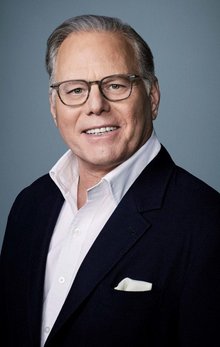
David Zaslav
CEO

Greg Peters
Co-CEO

Larry Ellison
Co-Founder, Chairman and Chief Technology Officer at Oracle
Ted Sarandos
Co-CEO